





AMZ123跨境卖家导航
拖动LOGO到书签栏,立即收藏AMZ123
首页跨境头条文章详情

中东电子商务市场情况分析

2603
2020-01-04 16:32
2020-01-04 16:32
2603

The MENA region is going to be the next big growth market for e-commerce. The Gulf region especially is being touted as the market that’s set to grow exponentially within the next couple of years. In fact, according to PayFort, the Middle East e-commerce market would grow to US$69 billion by 2020, almost doubling in size in just a few years. According to Statista, overall growth across the Middle East and Africa would be at a CAGR of 11% in the next four years (2018-2022).

中东和北非地区将成为电子商务的下一个巨大增长市场。海湾地区尤其受到吹捧,因为该市场将在未来几年内成倍增长。事实上,据PayFort称,到2020年,中东电子商务市场将增长到690亿美元,在短短几年内规模几乎翻了一番。Statista的数据显示,未来四年(2018-2022年),中东和非洲的整体增长率将达到11%的复合年增长率。
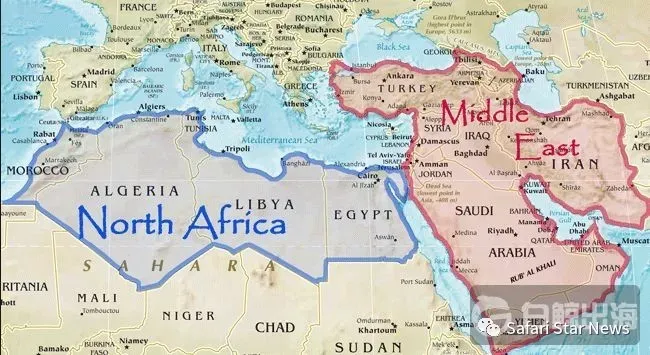
Well, this is all good, but what’s the current scenario of e-commerce in the Middle East? An oft-quoted Gartner study stated that, in 2016, only 15% business in the Middle East had any online commerce presence, and back then, 90% of online purchases made by residents were from foreign businesses. It was also publicly reported that only 2% of retail in the Middle East took place online, despite the region having one of the best internet penetration rates in the world.


这一切都很好,但是中东电子商务的当前情况如何?经常引用的Gartner研究表明,2016年,中东只有15%的企业拥有任何在线贸易业务,那时,居民进行的在线购物中有90%来自外国企业。另据公开报道,尽管中东地区的互联网普及率是世界上最好的地区之一,但中东只有2%的零售是在线进行的。

The potential for e-commerce definitely exists in the Middle East. Let’s take a closer look at the factors that are favorable for growth, challenges the region faces, key markets in the region, key players in these markets, and buying behavior of consumers in these markets.


电子商务的潜力肯定存在于中东。让我们仔细研究有利于增长的因素,该地区面临的挑战,该地区的主要市场,这些市场的主要参与者以及这些市场中消费者的购买行为。

FUELING E-COMMERCE GROWTH

The Middle East, and especially the Gulf region, benefits from high spending potential, as the region boasts of a high per capita income. The fact that the internet penetration and social media penetration is also some of the best in the world means that the Middle East is ripe for online business.


电子商务的成长


中东,尤其是海湾地区,受益于高消费潜力,因为该地区人均收入高。互联网渗透率和社交媒体渗透率也是世界上最好的事实,这意味着中东的在线业务已经成熟。

A 2017 We Are Social and Hootsuite study noted that the UAE has the world’s highest social media penetration, while Saudi Arabia had the highest social media user growth in the world. Deloitte shared similar findings in 2017, which showcased social media penetration to be 99% in the UAE, and 73% year-on-year (YoY) growth in Saudi Arabia. When it comes to internet penetration, the region is, again, well above the global average of 51.7%, with more than 60% of the population using the internet, according to Deloitte’s Going Digital report. The UAE leads here as well, with more than 80% internet penetration in the state, which is, again, one of the highest in the entire world. If you look at the MENA region as a whole, the internet penetration there has been rising rapidly at 15% YoY. Smartphone penetration is also unusually high in the region. For example, in Saudi Arabia, nine out of 10 people use a smartphone, and most of them use it to go online. The great cellular connectivity in the region also helps.

2017年We Are Social and Hootsuite 的研究指出,阿联酋拥有全球最高的社交媒体渗透率,而沙特阿拉伯的社交媒体用户增长量则是全球最高的。德勤(Deloitte)在2017年分享了类似的调查结果,显示阿联酋的社交媒体渗透率达到99%,沙特阿拉伯同比增长73%。根据德勤的《 Going Digital》报告,在互联网普及率方面,该地区再次远远高于51.7%的全球平均水平,超过60%的人口使用互联网。阿联酋也位居榜首,该州的互联网普及率超过80%,再次成为全球最高的互联网普及率之一。如果您整体看一下中东和北非地区,则该地区的互联网普及率已迅速增长,同比增长15%。智能手机在该地区的渗透率也异常高。例如,在沙特阿拉伯,十分之九的人使用智能手机,而且大多数人使用智能手机上网。该地区良好的蜂窝连接性也有帮助。

High social media, internet penetration, and connectivity is only one side of the story when it comes to the potential of e-commerce in the Middle East. Another side is favorable regulations for online commerce, especially in the GCC. Let’s take the case of the UAE, where the government actively participates in making it easier for tech businesses to operate out of the region. For example, in the UAE, new e-commerce regulations from the Dubai Free Zones Council were made to promote more foreign direct investment into the e-commerce sector in Dubai, and help make the Emirate more attractive for e-commerce companies. The city also boasts of neighborhoods such as CommerCity, which is a $735 million project that’s dedicated to ecommerce, and located right next to the Dubai airport. This is apart from Dubai Internet City, which, according to reports, is already full, and is going to be expanded soon. Such initiatives are also under development in other countries in the GCC. What’s also interesting is the growing popularity of e-governance in these countries, which shows how both the government and its citizens are very comfortable going online to get various tasks done.

当涉及到中东电子商务的潜力时,高社交媒体,互联网渗透率和连接性只是故事的一方面。另一面是对在线商务特别是海湾合作委员会(GCC)中有利的法规。让我们以阿联酋为例,该国政府积极参与,使科技企业更容易在该地区以外开展业务。例如,在阿联酋,迪拜免税区理事会制定了新的电子商务法规,以促进对迪拜电子商务领域的更多外国直接投资,并使阿联酋对电子商务公司更具吸引力。该市还拥有诸如CommerCity之类的社区,CommerCity是一个耗资7.35亿美元的项目,致力于电子商务,位于迪拜机场附近。据报道,这与迪拜互联网城不一样,迪拜互联网城已经爆满,并将很快进行扩展。海湾合作委员会其他国家也在制定此类举措。有趣的是,电子政务在这些国家/地区的日渐普及,这表明政府及其公民都非常乐于上网以完成各种任务。

CHALLENGES TO (AND DRIVERS OF) E-COMMERCE

One of the primary challenges when it comes to e-commerce in the GCC and the Middle East is the lack of area codes, which can hamper last mile delivery. The big problem to solve for many e-commerce and logistics companies is to bring down the time and cost to buying online.

电子商务(及其驱动力)的挑战


在海湾合作委员会和中东地区,电子商务方面的主要挑战之一是缺少区号,这可能会阻碍最后一英里的运送。对于许多电子商务和物流公司而言,要解决的主要问题是减少在线购买的时间和成本。

Digital payment is another area where the region lags behind when compared to developed markets. Except for the UAE, other countries in the Middle East are yet to completely adopt online and mobile payments. Cash on delivery is still a primary mode of payment in the region, which brings up the cost of operations for e-commerce players. It can make up around 70% of all e-commerce transactions in Saudi Arabia, according to the consultancy Hally & Partners. 

与发达市场相比,数字支付是该地区落后的另一个领域。除阿联酋外,中东其他国家尚未完全采用在线和移动支付。货到付款仍然是该地区的主要付款方式,这增加了电子商务参与者的运营成本。根据咨询公司Hally&Partners的数据,它可以构成沙特阿拉伯所有电子商务交易的约70%。

When we look at key markets in the GCC, two of them come into the forefront. One is the UAE, and the other is Saudi Arabia. In North Africa, Egypt is one of the biggest markets that has a huge potential for growth in the future. Although Bahrain, Oman, and Kuwait also have strong e-commerce presence and growth, the relatively small population in these countries means that their contribution to the overall region numbers is also relatively small.

当我们考察海湾合作委员会的主要市场时,其中两个就位居前列。一个是阿联酋,另一个是沙特阿拉伯。在北非,埃及是最大的市场之一,在未来具有巨大的增长潜力。尽管巴林,阿曼和科威特也拥有强大的电子商务业务和增长势头,但这些国家的人口相对较少,这意味着它们对整个地区总数的贡献也相对较小。

The UAE is one of the largest and most mature markets in the Middle East today for e-commerce. According to PayFort, it was valued at $27 billion in 2016. BMI Research states that by 2020, the market would be worth 45.6% of the total Middle East market. Great infrastructure, ease of doing business, and a tech-savvy, cosmopolitan population with high speeding power makes the country very favorable for online commerce. 

阿联酋是当今中东最大和最成熟的电子商务市场之一。根据PayFort的数据,2016年该市场的价值为270亿美元。BMIResearch指出,到2020年,该市场将占中东市场总量的45.6%。强大的基础设施,轻松的业务往来以及精通技术的国际化大都市人口,以及高速发展的力量,使得该国非常适合在线贸易。

Saudi Arabia is also a huge market for e-commerce in the Middle East, with the same PayFort study valuing it at $22 billion in 2016. Growth in the market though could be gradual, when compared to the UAE and other countries in the GCC. This is primarily because of lack of retail infrastructure and government initiatives that aim to promote e-commerce and other tech businesses. The Saudization scheme by the government is also said to make it a little more difficult for international brands and businesses to make a mark in the country, although national businesses may get a boost due to this. By 2020, BMI says that the Saudi Arabian e-commerce market could be 29.1% of the region.

沙特阿拉伯还是中东电子商务的巨大市场,根据PayFort的研究,该市场在2016年的估值为220亿美元。与阿联酋和海湾合作委员会(GCC)的其他国家相比,市场的增长可能是渐进的。这主要是由于缺乏零售基础设施以及旨在促进电子商务和其他技术业务的政府举措。据说,政府的“提高声音效率”计划会使国际品牌和企业在该国树立商标变得更加困难,尽管因此,国有企业可能会有所增长。BMI称,到2020年,沙特阿拉伯的电子商务市场可能占该地区的29.1%。

Related: Bolstering Entrepreneurship In Saudi Arabia: Badir CEO Nawaf Al Sahhaf

Egypt has had a storied e-commerce history, having established some of the region’s firsts, such as online food ordering way back in 1999 with Otlob. Yet, e-commerce penetration in the country is still at a nascent stage. A study by the country’s Ministry of Communications and Information Technology (MCIT) said that e-commerce only comprised 0.4% of the total retail trade in Egypt. But this is also set to go up very quickly, as the region has one of the largest population of internet users in the Arab world. The MCIT is also committed to the growth of e-commerce in the region, with policy and development being focused towards this cause, making the market very attractive for e-commerce players.

相关:增强沙特阿拉伯的企业家精神:Badir首席执行官Nawaf Al Sahhaf


埃及拥有悠久的电子商务历史,建立了该地区的一些先河,例如1999年与Otlob一起进行在线食品订购。但是,该国的电子商务渗透仍处于起步阶段。该国通信和信息技术部(MCIT)进行的一项研究表明,电子商务仅占埃及零售总额的0.4%。但这也将很快增长,因为该地区是阿拉伯世界上互联网用户最多的国家之一。MCIT还致力于该地区电子商务的发展,针对这一原因的政策和发展使该市场对电子商务参与者非常有吸引力。

CONSUMER BEHAVIOR IN THE MIDDLE EAST

Apart from various brands and their e-commerce stores, there are a few prominent e-commerce marketplaces in the Middle East. The biggest is Souq.com, which had 50 million customers and operated out of all the countries in the GCC, when Amazon acquired them in 2017. The same year, another regional upstart, Noon.com, was launched by Mohamed Alabbar, the chairman of Emaar. Namshi, Ali Express, and Ebay etc., are other prominent marketplaces in the region. When it comes to food delivery, some of the popular players in the region are Talabat, Deliveroo, MakeMyMeal, Otlob, etc.

中东消费者的行为


除了各种品牌及其电子商务商店外,中东还有一些著名的电子商务市场。最大的是Souq.com,该公司拥有5000万客户,并在2017年被亚马逊收购时在GCC的所有国家/地区运营。同年,董事长穆罕默德·阿拉伯(Mohamed Alabbar)发起了另一个地区新贵Noon.com。艾玛尔 Namshi,Ali Express和Ebay等是该地区其他著名的市场。在食品配送方面,该地区一些受欢迎的企业包括Talabat,Deliveroo,MakeMyMeal,Otlob等。

According to survey portal Statista, e-commerce user penetration in the Middle East and Africa region stood at 54.6% in 2018 and would grow to 58.8% by 2022. PwC’s Total Retail 2017 survey took an in depth look at buying trends in the Middle East. They found out that younger people were more likely to shop online in the region, with 36% of those who were aged between 18-24 shopped online, at least once a month, when compared to only 13% of those who were aged 55 years or more. According to Hall & Partners, there is a significant number of women in the UAE who prefer to shop online, with around a third of those surveyed buying something online, every week. Similar stories are reflected across the mature markets of the Middle East.

根据调查门户网站Statista的数据,2018年中东和非洲地区的电子商务用户普及率为54.6%,到2022年将增长到58.8%。普华永道的《 2017年零售总额》调查深入研究了中东的购买趋势 。他们发现,年轻人在该地区网上购物的可能性更高,年龄在18-24岁之间的年轻人中,有36%的人每月至少上网一次,而55岁以下的年轻人中只有13% 或者更多。根据Hall&Partners的说法,阿联酋有大量女性更喜欢在网上购物,每周接受调查的女性中约有三分之一在网上购物。类似的故事也反映在中东的成熟市场上。

The motivation to buy online differs for different markets and different demographics; however, when we look at the broader trends, we can see that the lower price of goods online was the biggest driving factor towards an online purchase, as 40% consumers stated that as their major motivational factor in PwC’s Total Retail 2017. 31% also said that greater product selection was a factor towards their purchase. Surprisingly, only 17% said that convenience was a factor for shopping online. This could be mainly due to higher delivery times, and a prevalent “mall culture” in the Middle East, although the trend is gradually changing, as it becomes easier to shop online, and as the quality of service increases.

在线购买的动机因不同的市场和人群而异。然而,当我们观察到更广泛的趋势时,我们可以看到,在线商品的较低价格是促成在线购买的最大驱动因素,因为40%的消费者表示,这是普华永道《 2017年零售总额》的主要动机。31% 说更多的产品选择是他们购买的一个因素。令人惊讶的是,只有17%的人表示便利是在线购物的一个因素。这可能主要是由于交货时间增加,以及中东流行的“购物中心文化”,尽管趋势正在逐渐改变,因为它变得更容易在网上购物,并且服务质量提高了。

According to PwC’s Total Retail 2017, these were the major categories when it comes to e-commerce in the Middle East: books, music, movies, and video games categories lead with 54% of those surveyed shopping online here. This was followed by health and beauty at 48%, and consumer, electronics, and computer at 44%. Jewelry and watches, clothing and footwear stood at 42% and 41% respectively, whereas furniture and homeware, household appliances stood at 35% and 31% respectively. Surprisingly, online groceries were a category that wasn’t as popular yet in the region, with only 27% of people admitting to buying them online.

根据普华永道的《 2017年零售总额》,这些是中东电子商务的主要类别:书籍,音乐,电影和视频游戏类别占其中54%的受访在线购物者。 其次是健康和美容,占48%,消费,电子和计算机,占44%。 珠宝和手表,服装和鞋类分别占42%和41%,而家具和家庭用品,家用电器分别占35%和31%。 令人惊讶的是,在线食品杂货在该地区尚未流行,只有27%的人承认在线购买食品。


Related: Inside The MENA High Tech Boom

56% of Middle Eastern shoppers were on mobile devices while shopping online, and 52% of them were influenced by social media reviews while making a purchase. Although PwC states that 80% of Middle Eastern e-commerce sales were paid for through cash on delivery, the UAE is again an outlier here, as, according to Souq.com, over 60% of their transactions were through credit cards.

有关:在中东和北非高科技景气内部


中东购物者中有56%在网上购物时使用移动设备,其中52%的消费者在购物时受到社交媒体评论的影响。尽管普华永道指出,中东80%的电子商务销售是通过货到付款来支付的,但阿联酋在这里仍然是一个例外,因为据Souq.com称,其60%以上的交易是通过信用卡进行的。

Trust is an important factor for consumers buying in the Middle East, as 62% of them were concerned about their personal information getting leaked online. 60% of consumers were more likely to buy from brands they trusted, and 32% remain loyal to their favorite retailer, because of their trust in the brand.

信任是中东消费者购买的重要因素,因为62%的消费者担心自己的个人信息在网上泄露。60%的消费者更有可能从他们信任的品牌那里购买商品,而32%的消费者由于对品牌的信任而仍然忠于自己喜欢的零售商。

48% consumers had also stated that they were influenced to make repeat purchases, because of the attractive offers that were communicated to them. Social media was another influential channel, where 48% of consumers were engaged through promotions.

48%的消费者还表示,由于传达给他们的诱人优惠,他们受到了重复购买的影响。社交媒体是另一个有影响力的渠道,其中48%的消费者通过促销参与。

Having a trustworthy, secure, and mobile-friendly online ordering platform is thus important in the region. Cross-channel engagement campaigns with strong social media strategies is also something e-commerce operations in EMEA must adopt.

因此,在该地区拥有一个值得信赖,安全且对移动设备友好的在线订购平台非常重要。具有强大社交媒体策略的跨渠道参与活动也是欧洲,中东和非洲地区电子商务运营必须采用的方法。

FUTURE TRENDS

Language and localization are very important aspects of commerce in the Middle East, as even the Arabic dialect can vary widely across markets. Brands have slowly started to under stand this, and they have started to model their online presence according to each market’s preferences.

未来的趋势


语言和本地化是中东商业中非常重要的方面,因为即使阿拉伯方言在不同的市场中也会有很大差异。品牌逐渐开始理解这一点,他们已经开始根据每个市场的喜好来模拟其在线形象。

The Middle Eastern market is also going to reflect similar tech trends as other markets across the globe, with increasing use of big data analytics, artificial intelligence, chatbots, faster delivery means, mobile payments, and omnichannel retailing, all used to aide commerce. With the increase of tech companies in the region, the sharing economy, and subsequently, the internet economy would also see a significant rise in the Middle East.


随着越来越多的大数据分析,人工智能,聊天机器人,更快的交付方式,移动支付和全渠道零售的使用,中东市场也将反映出与全球其他市场类似的技术趋势。 随着该地区科技公司的增加,共享经济以及随后的互联网经济的发展,中东地区也将显着增长。

With the young, tech-savvy population, high smartphone and internet penetration, and well-established retail network, we can see that retail in Middle East is going to grow across channels. E-commerce, as well as brick-and-mortar retail, would work at helping each channel sell more, as more mature markets across the world have shown. Retailers today must focus on getting online, and making consumer experience seamless and connected across all channels to unlock their next phase of growth.


随着年轻,精通技术的人群,高智能手机和互联网普及率以及完善的零售网络,我们可以看到中东的零售将通过各种渠道增长。电子商务,以及实体零售,将有助于帮助每个渠道销售更多的产品,正如世界上更成熟的市场所表明的那样。如今的零售商必须专注于上网,并使消费者体验无缝连接在所有渠道上,以释放他们的下一个增长阶段。

As a brand, it’s important today to have presence in the major marketplaces in the Middle East. Marketplaces such as Souq, Noon, Namshi, eBay, Amazon etc. can be a great way to reach more consumers and increase sales. Marketplace enablement solutions that help you to list, sell, and process orders across multiple marketplaces, from a single dashboard, can make it very easy to do so.

作为品牌,在中东的主要市场开展业务对当今至关重要。Souq,Noon,Namshi,eBay,Amazon等市场可能是吸引更多消费者和增加销量的好方法。市场支持解决方案可帮助您从单个仪表板在多个市场上列出,出售和处理订单,这非常容易做到。

E-commerce consumers in the Middle East are not just restricted to purchase from online marketplaces, but increasingly are buying directly from the brands that they trust. Hence, it’s important to establish your own brand website early, and extend your offline business to online channels. Today, you could be missing out on sales without having crosschannel presence. Setting up your e-commerce website could be the first step you take towards making your business consumer ready for today, and future ready for tomorrow. Let’s see what are some important factors you should take into consideration while choosing the right e-commerce platform for your website:

中东的电子商务消费者不仅限于从在线市场购买商品,而且越来越多地直接从他们信任的品牌购买商品。因此,重要的是尽早建立自己的品牌网站,并将离线业务扩展到在线渠道。今天,如果没有跨渠道存在,您可能会错过销售机会。设置您的电子商务网站可能是您使企业消费者为今天做好准备,为明天做好准备的第一步。让我们看看在为网站选择合适的电子商务平台时应考虑哪些重要因素:

1. Making consumer experience seamless

You must ensure you are providing your consumers with the easiest possible purchase experience online. This means fast, intuitive, responsive consumer websites and mobile-ready app-like experiences on progressive web apps. Offering multiple checkout options such as click-and-collect or home delivery is also important, and so are seamless payments through the consumer’s preferred payment method.

1.使消费者体验无缝


您必须确保为您的消费者提供最简单的在线购买体验。这意味着快速,直观,响应迅速的消费者网站,以及在渐进式Web应用程序上的类似移动设备的应用程序体验。提供诸如“点击收集”或“送货上门”之类的多种结帐选项也很重要,通过消费者的首选付款方式进行无缝付款也很重要。

2. Being ready to extend and grow

Your e-commerce platform must allow you to be agile and extensible, so your business is completely future-ready. Fast go-tomarket time, multi-country, language, and currency support is a must-have for running commerce in regions as diverse as the Middle East. Allowing business users to easily set up and run websites and promotions without help from IT is also a helpful addition. Having ready integrations with points of sales (PoS), logistics, payment gateways, entreprise resource planning (ERP), etc. could go a long way into making operations smoother and easier.

2.准备好扩展和成长


您的电子商务平台必须允许您敏捷和可扩展,因此您的业务完全可以面向未来。快速上市时间,多国家/地区,语言和货币支持是在中东等不同地区开展商业活动的必不可少的条件。在没有IT部门帮助的情况下,允许业务用户轻松地设置和运行网站和促销活动也很有帮助。与销售点(PoS),物流,支付网关,企业资源计划(ERP)等进行现成的集成可以大大简化运营过程。

3. Personalizing experiences, and socializing engagement

Consumers today expect relevant and personalized experiences while they shop. Your ability to deliver on these personalized experiences to your visitors, starting from the look and feel of your website, to the products that are on display to them, could have a dramatic effect on conversions. Personalized engagements and promotions can also increase visits and sales. You also need to look into availability of services such as conversion rate optimization, search engine optimization, digital and social media marketing to reach your consumers, and convert them.

3.个性化体验和社交参与


如今,消费者在购物时期望获得相关的个性化体验。从网站的外观和感觉,到向他们展示的产品,向访问者提供这些个性化体验的能力都可能对转化产生巨大影响。个性化的参与和促销活动也可以增加访问量和销售量。您还需要研究服务的可用性,例如转化率优化,搜索引擎优化,数字和社交媒体营销,以覆盖您的消费者并进行转化。

4. Making your business easy to operate

An easy-to-use platform with intuitive UI that allows you to create, upload, and manage product catalogs, website content, and promotions, with simple drag-anddrop functionality can help ease day-to-day operations by allowing any business user to make changes on the website quickly. A sophisticated order management system on the other hand can make order processing and fulfilment quick and efficient. The ability to easily reconcile accounts, refunds, and manage tax compliance across regions are also important while running an e-commerce business across the Middle East.

4. 使您的业务易于运营


一个简单易用的平台,具有直观的UI,可让您创建,上传和管理产品目录,网站内容和促销,并具有简单的拖放功能,可允许任何业务用户轻松地进行日常操作。快速在网站上进行更改。另一方面,复杂的订单管理系统可以使订单处理和履行快速而有效。在整个中东地区开展电子商务业务时,轻松实现跨地区帐户,退款和管理税收合规性的能力也很重要。

5. Ensuring consumer trust

Finally, your e-commerce platform needs to be completely scalable, having the ability to auto adjust to handle any traffic or order volume. Having good stability and uptime is also important to ensure your site is always available to your consumers. Speaking of consumers, keeping private and identifiable consumer data and payment data secure is really important today, especially in the Middle East where trust is known to be a significant aspect of loyalty when shopping online. As a result, you should give utmost importance to the security capabilities of your platform.

5。确保消费者信任


最后,您的电子商务平台需要完全可扩展,并具有自动调整以处理任何流量或订单量的能力。拥有良好的稳定性和正常运行时间对于确保您的用户始终可以访问您的站点也很重要。对于消费者而言,保护私有和可识别的消费者数据以及支付数据的安全在今天确实非常重要,尤其是在中东,在网上购物时,信任是忠诚度的重要方面。因此,您应该非常重视平台的安全功能。



免责声明
本文链接:
本文经作者许可发布在AMZ123跨境头条,如有疑问,请联系客服。
最新热门报告作者标签
25年亚太电商报告:新兴与成熟市场差异显著
AMZ123获悉,近日,PCMI发布了《2025年亚太电商消费者趋势报告》。随着电商持续渗透全球消费市场,支付方式的变化正成为影响电商增长结构和区域差异的重要因素。在亚太地区,电商市场快速增长,同时支付方式也呈现出高度多样化特征。此次报告通过图表和数据分析,系统呈现亚太地区(不含中国)11个国家消费者的支付习惯、电商市场规模变化以及潜在增长空间,为卖家和品牌判断市场机会、投资方向提供参考。一、亚太市场规模报告显示,亚太地区电商整体呈现高增长趋势。2025年亚太地区电商规模将首次突破1.1万亿美元,预计在2025至2027年间保持12%的年复合增长率,到2027年市场规模将超过1.5万亿美元。
Shopee越南双十二用户活跃度提升,直播售出超5000万件商品
AMZ123获悉,近日,2025年12月,Shopee在越南结束了12.12生日超级促销活动。作为Shopee成立10周年的重要节点,本次大促期间平台用户活跃度和转化表现显著提升,直播与短视频内容成为推动成交的重要渠道。数据显示,仅在12月12日当天,Shopee在越南的访问量就超过1200万次;为期两周的活动期间,用户累计节省金额超过4万亿越南盾。在促销活动之外,Shopee在本次12.12期间大幅强化内容与娱乐元素,通过音乐演出、综艺衍生内容和直播互动等形式提升用户参与度。
关税压顶、税单敲门!2025跨境电商十大事件回顾
专栏介绍2025年,跨境电商行业经历了一场深刻的范式转换。旧增长秩序已被改写,行业竞争已从流量争夺,升维为供应韧性、成本控制与合规运营的系统性较量。周期更迭,潮起潮落。行业的巨轮缓缓驶入深水区,有人在调整中登上新高,也有人就此转身离场。作为深度参与的行业观察者,AMZ123特此发起 【2025年度跨境专题报道】系列专栏。本专栏将不止记录赛道的高光与暗礁,更致力于解构穿越周期的密码,为从业者提供一份关于生存与进化的真实笔记。本文为专栏的第一篇报道,旨在通过回顾过去一年的行业大事,以此看清行业新秩序与未来破局方向。2025年,美国对华关税政策经历了从紧张升级到逐步缓和的过程。
25年美国社交电商市场将达870亿美元,TikTok推动增长
AMZ123获悉,近日,研究机构Emarketer的最新报告显示,TikTok正持续推动社交电商市场增长,其中TikTok Shop已成为该领域的重要组成部分。2025年,TikTok Shop的销售额占全球社交电商总量的近20%。按照预测,TikTok Shop的销售规模将在2026年超过200亿美元,并在2028年突破300亿美元。与此同时,2026年预计将有一半的美国社交购物用户在TikTok平台完成购买。从整体市场来看,社交电商目前仍仅占美国电商总规模的一小部分,但占比正在稳步提升。
双十二期间,印尼消费者更偏好本地品牌与高品质商品
AMZ123获悉,近日,电商平台Shopee与Lazada的数据均显示,印尼消费者的线上购物行为在 12.12 全国网购日(Harbolnas)活动期间呈现出明显变化。消费者在年终促销节点的购物重点正在发生转移,从单纯追求低价,逐步转向对本地产品和高质量商品的关注。Shopee 的数据显示,2025 年 12.12 活动期间,印尼消费者对本地产品的兴趣显著上升。平台观察到,用户通过多种活动和功能,更积极地寻找并支持本地中小微企业(UMKM)及本土品牌。该趋势不仅体现在购物热度上,也反映出 12.12 已从单一的促销活动,逐渐演变为消费者了解和选择本地产品的重要窗口。
每日低价跨境包裹数高达5万,希腊呼吁加强监管
AMZ123获悉,近日,随着Shein、Temu等电商平台在欧洲快速扩张,大量单价不超过150欧元的跨境包裹每天通过免税政策进入希腊市场,希腊相关行业组织正呼吁欧盟建立统一的监管措施。希腊商贸与企业联合会(ESEE)的数据显示,欧盟范围内,91%以上的低于150欧元的跨境包裹来自中国。2024年,欧盟市场共进口约46亿件单价不超过150欧元的包裹,预计2025年将增至约60亿件。在希腊,每天进入市场的低价跨境订单数量最高可达5万单,且仍在增长。相关研究估算,希腊消费者在电商平台上的支出中,每5欧元就有1欧元流向中国,年交易规模约为5.29亿至6.27亿欧元。
AMZ123星球专享丨12月第三周资讯汇总
亚马逊亚马逊于12月16日上午9点启动了“圣诞限时特卖”活动,此次促销将持续到12月25日23点59分,可能成为平台年内的最后一场大型促销。亚马逊宣布自2026年3月31日起将全面终止共享库存(混仓)模式,并更新制造商条码的使用标准。根据新规,完成品牌备案的品牌所有者将可以直接使用UPC等制造商条码进行入库,而无需粘贴亚马逊条码。亚马逊正在与人工智能公司OpenAI就一笔潜在投资展开磋商,投资规模约为100亿美元。亚马逊向美国华盛顿州提交了一份新的通报,将在当地裁减84个岗位。亚马逊说明,这一调整属于各业务部门在日常运营中进行的人员结构优化,并不涉及其在今年10月宣布的全球性裁员计划。
冬季需求拉动增长,10款汽配产品在亚马逊月销过万
AMZ123获悉,近日,亚马逊各类产品搜索量增长显著,以下10款产品在亚马逊上销量表现突出,深受消费者欢迎。1. 便携轮胎充气泵预计销售额:679.99万美元/月销量:100,000+星级评分:4.3好评数量:23,615+图源:亚马逊产品介绍:这款便携式轮胎充气泵采用电池供电设计,体积小巧,可放置于手套箱或后备箱,适用于汽车、SUV、摩托车、自行车及球类等。支持最高 120 PSI 的精准充气,内置数字胎压显示屏,可在 PSI、kPa、Bar 等多种单位间切换,并通过按键设定目标胎压,到达设定值后自动停止,降低过度充气风险。配套多种充气接口和LED照明灯,满足日常补气和应急使用需求。
关税压顶、税单敲门!2025跨境电商十大事件回顾
专栏介绍2025年,跨境电商行业经历了一场深刻的范式转换。旧增长秩序已被改写,行业竞争已从流量争夺,升维为供应韧性、成本控制与合规运营的系统性较量。周期更迭,潮起潮落。行业的巨轮缓缓驶入深水区,有人在调整中登上新高,也有人就此转身离场。作为深度参与的行业观察者,AMZ123特此发起 【2025年度跨境专题报道】系列专栏。本专栏将不止记录赛道的高光与暗礁,更致力于解构穿越周期的密码,为从业者提供一份关于生存与进化的真实笔记。本文为专栏的第一篇报道,旨在通过回顾过去一年的行业大事,以此看清行业新秩序与未来破局方向。2025年,美国对华关税政策经历了从紧张升级到逐步缓和的过程。
25年亚太电商报告:新兴与成熟市场差异显著
AMZ123获悉,近日,PCMI发布了《2025年亚太电商消费者趋势报告》。随着电商持续渗透全球消费市场,支付方式的变化正成为影响电商增长结构和区域差异的重要因素。在亚太地区,电商市场快速增长,同时支付方式也呈现出高度多样化特征。此次报告通过图表和数据分析,系统呈现亚太地区(不含中国)11个国家消费者的支付习惯、电商市场规模变化以及潜在增长空间,为卖家和品牌判断市场机会、投资方向提供参考。一、亚太市场规模报告显示,亚太地区电商整体呈现高增长趋势。2025年亚太地区电商规模将首次突破1.1万亿美元,预计在2025至2027年间保持12%的年复合增长率,到2027年市场规模将超过1.5万亿美元。
AMZ123星球专享丨12月第三周资讯汇总
亚马逊亚马逊于12月16日上午9点启动了“圣诞限时特卖”活动,此次促销将持续到12月25日23点59分,可能成为平台年内的最后一场大型促销。亚马逊宣布自2026年3月31日起将全面终止共享库存(混仓)模式,并更新制造商条码的使用标准。根据新规,完成品牌备案的品牌所有者将可以直接使用UPC等制造商条码进行入库,而无需粘贴亚马逊条码。亚马逊正在与人工智能公司OpenAI就一笔潜在投资展开磋商,投资规模约为100亿美元。亚马逊向美国华盛顿州提交了一份新的通报,将在当地裁减84个岗位。亚马逊说明,这一调整属于各业务部门在日常运营中进行的人员结构优化,并不涉及其在今年10月宣布的全球性裁员计划。
每日低价跨境包裹数高达5万,希腊呼吁加强监管
AMZ123获悉,近日,随着Shein、Temu等电商平台在欧洲快速扩张,大量单价不超过150欧元的跨境包裹每天通过免税政策进入希腊市场,希腊相关行业组织正呼吁欧盟建立统一的监管措施。希腊商贸与企业联合会(ESEE)的数据显示,欧盟范围内,91%以上的低于150欧元的跨境包裹来自中国。2024年,欧盟市场共进口约46亿件单价不超过150欧元的包裹,预计2025年将增至约60亿件。在希腊,每天进入市场的低价跨境订单数量最高可达5万单,且仍在增长。相关研究估算,希腊消费者在电商平台上的支出中,每5欧元就有1欧元流向中国,年交易规模约为5.29亿至6.27亿欧元。
25年美国社交电商市场将达870亿美元,TikTok推动增长
AMZ123获悉,近日,研究机构Emarketer的最新报告显示,TikTok正持续推动社交电商市场增长,其中TikTok Shop已成为该领域的重要组成部分。2025年,TikTok Shop的销售额占全球社交电商总量的近20%。按照预测,TikTok Shop的销售规模将在2026年超过200亿美元,并在2028年突破300亿美元。与此同时,2026年预计将有一半的美国社交购物用户在TikTok平台完成购买。从整体市场来看,社交电商目前仍仅占美国电商总规模的一小部分,但占比正在稳步提升。
双十二期间,印尼消费者更偏好本地品牌与高品质商品
AMZ123获悉,近日,电商平台Shopee与Lazada的数据均显示,印尼消费者的线上购物行为在 12.12 全国网购日(Harbolnas)活动期间呈现出明显变化。消费者在年终促销节点的购物重点正在发生转移,从单纯追求低价,逐步转向对本地产品和高质量商品的关注。Shopee 的数据显示,2025 年 12.12 活动期间,印尼消费者对本地产品的兴趣显著上升。平台观察到,用户通过多种活动和功能,更积极地寻找并支持本地中小微企业(UMKM)及本土品牌。该趋势不仅体现在购物热度上,也反映出 12.12 已从单一的促销活动,逐渐演变为消费者了解和选择本地产品的重要窗口。
《亚马逊生活日用品类攻略手册》PDF下载
作为日常生活不可或缺的重要组成,生活百货品类覆盖范围广泛,包括家居用品、家具、车用配件、户外装备、园艺 工具、运动器材、家装用品、厨房、玩具以及宠物用品等众多领域。这类产品不仅是满足基本生活所需,更体现了人们对美好生活的向往和追求。
《掘金泰国-市场洞察与战略机遇报告2025》PDF下载
随着全球经济一体化的加速,泰国作为东盟的核心枢纽,凭借其独特的地缘优势庞大的消费市场以及持续优化的营商环境,成为众多企业战略布局的重要目标。本报告深入剖析泰国市场的政策红利、消费趋势、产业机遇以及合规挑战,旨在为有志于开拓泰国市场的中国企业提供行动指南,助力企业在东盟这片充满活力的土地上把握机遇、应对挑战、!实现可持续发展。
《2025欧美假日购物季营销指南》PDF下载
2025年美国假日购物季零售额预计同比仅增长1.2%,总销售额约1.359万亿美元,虽仍保持正增长,但为2009年以来最低增速,市场正在步入低增长的新常态。
《2025年跨境电商东南亚市场进入战略白皮书》PDF下载
东南亚电商,正以惊人的速度复刻中国电商高速增长的黄金时代。2024年东南亚电商GMV达到1284亿美元,短短5年涨幅超过3倍。全球电商2024年GMV增幅最快的十大市场中,东南亚独占四席。东南亚是拥有约6.7亿人口的广阔市场,在现今全球关税的不确定性大格局下,因其电商基建完善,利好的贸易政策,和更高的年轻人口占比,成为跨境卖家生意拓张焦点之一。
《2025年TikTok Shop玩具品类行业报告(欧美站)》PDF下载
分析TikTok Shop美国市场、英国市场、西班牙市场、墨西哥市场等主流市场点短视频及直播电商数据,选取TikTok与玩具爱好品类相关的内容进行分析报告。
《2025 洗护品类趋势与创新洞察》PDF下载
本报告独特价值:将消费者的“行为结果”据),揭示消费者深层心理动机、并能精准预判未来增长机会
《亚马逊双轨增长指南》PDF下载
亚马逊以“以客户为中心”为核心理念,通过整合B2B与B2C的全渠道服务,帮助卖家实现“一店双拓”-- 一次上架,同步触达个人消费者与企业买家,获得双重收益。同时,基于Direct to Buyer(直接触达买家)的模式,更能有效减少中间环节,提升利润空间与品牌掌控力。
《亚马逊全球线上商采趋势与区域洞察》PDF下载
随着全球企业数字化转型的深入推进,B2B商采有望成为下一个万亿级别的蓝海市场然而,中国卖家在开拓海外企业商采市场时往往面临着一个关键挑战:难以准确把握海外企业买家的商采行为和决策模式。这种认知偏差不仅影响了产品开发方向,也制约了市场拓展策略的制定。
跨境科普达人
科普各种跨境小知识,科普那些你不知道的事...
跨境平台资讯
AMZ123旗下跨境电商平台新闻栏目,专注全球跨境电商平台热点事件,为广大卖家提供跨境电商平台最新动态、最热新闻。
AMZ123卖家导航
这个人很懒,还没有自我介绍
跨境电商干货集结
跨境电商干货集结,是结合亚马逊跨境电商卖家交流群内大家在交流过程中最常遇到的问题,进行收集整理,汇总解答,将会持续更新大家当前最常遇见的问题。欢迎大家加入跨境电商干货集结卖家交流群一起探讨。
北美电商资讯
AMZ123旗下北美跨境电商新闻栏目,专注北美跨境电商热点资讯,为广大卖家提供北美跨境电商最新动态、最热新闻。
跨境电商赢商荟
跨境电商行业唯一一家一年365天不断更的媒体!
侃侃跨境那些事儿
不侃废话,挣钱要紧!
跨境数据中心
聚合海量跨境数据,输出跨境研究智慧。
首页
跨境头条
文章详情
中东电子商务市场情况分析
SafariStarNews
2020-01-04 16:32
2603

The MENA region is going to be the next big growth market for e-commerce. The Gulf region especially is being touted as the market that’s set to grow exponentially within the next couple of years. In fact, according to PayFort, the Middle East e-commerce market would grow to US$69 billion by 2020, almost doubling in size in just a few years. According to Statista, overall growth across the Middle East and Africa would be at a CAGR of 11% in the next four years (2018-2022).

中东和北非地区将成为电子商务的下一个巨大增长市场。海湾地区尤其受到吹捧,因为该市场将在未来几年内成倍增长。事实上,据PayFort称,到2020年,中东电子商务市场将增长到690亿美元,在短短几年内规模几乎翻了一番。Statista的数据显示,未来四年(2018-2022年),中东和非洲的整体增长率将达到11%的复合年增长率。

Well, this is all good, but what’s the current scenario of e-commerce in the Middle East? An oft-quoted Gartner study stated that, in 2016, only 15% business in the Middle East had any online commerce presence, and back then, 90% of online purchases made by residents were from foreign businesses. It was also publicly reported that only 2% of retail in the Middle East took place online, despite the region having one of the best internet penetration rates in the world.


这一切都很好,但是中东电子商务的当前情况如何?经常引用的Gartner研究表明,2016年,中东只有15%的企业拥有任何在线贸易业务,那时,居民进行的在线购物中有90%来自外国企业。另据公开报道,尽管中东地区的互联网普及率是世界上最好的地区之一,但中东只有2%的零售是在线进行的。

The potential for e-commerce definitely exists in the Middle East. Let’s take a closer look at the factors that are favorable for growth, challenges the region faces, key markets in the region, key players in these markets, and buying behavior of consumers in these markets.


电子商务的潜力肯定存在于中东。让我们仔细研究有利于增长的因素,该地区面临的挑战,该地区的主要市场,这些市场的主要参与者以及这些市场中消费者的购买行为。

FUELING E-COMMERCE GROWTH

The Middle East, and especially the Gulf region, benefits from high spending potential, as the region boasts of a high per capita income. The fact that the internet penetration and social media penetration is also some of the best in the world means that the Middle East is ripe for online business.


电子商务的成长


中东,尤其是海湾地区,受益于高消费潜力,因为该地区人均收入高。互联网渗透率和社交媒体渗透率也是世界上最好的事实,这意味着中东的在线业务已经成熟。

A 2017 We Are Social and Hootsuite study noted that the UAE has the world’s highest social media penetration, while Saudi Arabia had the highest social media user growth in the world. Deloitte shared similar findings in 2017, which showcased social media penetration to be 99% in the UAE, and 73% year-on-year (YoY) growth in Saudi Arabia. When it comes to internet penetration, the region is, again, well above the global average of 51.7%, with more than 60% of the population using the internet, according to Deloitte’s Going Digital report. The UAE leads here as well, with more than 80% internet penetration in the state, which is, again, one of the highest in the entire world. If you look at the MENA region as a whole, the internet penetration there has been rising rapidly at 15% YoY. Smartphone penetration is also unusually high in the region. For example, in Saudi Arabia, nine out of 10 people use a smartphone, and most of them use it to go online. The great cellular connectivity in the region also helps.

2017年We Are Social and Hootsuite 的研究指出,阿联酋拥有全球最高的社交媒体渗透率,而沙特阿拉伯的社交媒体用户增长量则是全球最高的。德勤(Deloitte)在2017年分享了类似的调查结果,显示阿联酋的社交媒体渗透率达到99%,沙特阿拉伯同比增长73%。根据德勤的《 Going Digital》报告,在互联网普及率方面,该地区再次远远高于51.7%的全球平均水平,超过60%的人口使用互联网。阿联酋也位居榜首,该州的互联网普及率超过80%,再次成为全球最高的互联网普及率之一。如果您整体看一下中东和北非地区,则该地区的互联网普及率已迅速增长,同比增长15%。智能手机在该地区的渗透率也异常高。例如,在沙特阿拉伯,十分之九的人使用智能手机,而且大多数人使用智能手机上网。该地区良好的蜂窝连接性也有帮助。

High social media, internet penetration, and connectivity is only one side of the story when it comes to the potential of e-commerce in the Middle East. Another side is favorable regulations for online commerce, especially in the GCC. Let’s take the case of the UAE, where the government actively participates in making it easier for tech businesses to operate out of the region. For example, in the UAE, new e-commerce regulations from the Dubai Free Zones Council were made to promote more foreign direct investment into the e-commerce sector in Dubai, and help make the Emirate more attractive for e-commerce companies. The city also boasts of neighborhoods such as CommerCity, which is a $735 million project that’s dedicated to ecommerce, and located right next to the Dubai airport. This is apart from Dubai Internet City, which, according to reports, is already full, and is going to be expanded soon. Such initiatives are also under development in other countries in the GCC. What’s also interesting is the growing popularity of e-governance in these countries, which shows how both the government and its citizens are very comfortable going online to get various tasks done.

当涉及到中东电子商务的潜力时,高社交媒体,互联网渗透率和连接性只是故事的一方面。另一面是对在线商务特别是海湾合作委员会(GCC)中有利的法规。让我们以阿联酋为例,该国政府积极参与,使科技企业更容易在该地区以外开展业务。例如,在阿联酋,迪拜免税区理事会制定了新的电子商务法规,以促进对迪拜电子商务领域的更多外国直接投资,并使阿联酋对电子商务公司更具吸引力。该市还拥有诸如CommerCity之类的社区,CommerCity是一个耗资7.35亿美元的项目,致力于电子商务,位于迪拜机场附近。据报道,这与迪拜互联网城不一样,迪拜互联网城已经爆满,并将很快进行扩展。海湾合作委员会其他国家也在制定此类举措。有趣的是,电子政务在这些国家/地区的日渐普及,这表明政府及其公民都非常乐于上网以完成各种任务。

CHALLENGES TO (AND DRIVERS OF) E-COMMERCE

One of the primary challenges when it comes to e-commerce in the GCC and the Middle East is the lack of area codes, which can hamper last mile delivery. The big problem to solve for many e-commerce and logistics companies is to bring down the time and cost to buying online.

电子商务(及其驱动力)的挑战


在海湾合作委员会和中东地区,电子商务方面的主要挑战之一是缺少区号,这可能会阻碍最后一英里的运送。对于许多电子商务和物流公司而言,要解决的主要问题是减少在线购买的时间和成本。

Digital payment is another area where the region lags behind when compared to developed markets. Except for the UAE, other countries in the Middle East are yet to completely adopt online and mobile payments. Cash on delivery is still a primary mode of payment in the region, which brings up the cost of operations for e-commerce players. It can make up around 70% of all e-commerce transactions in Saudi Arabia, according to the consultancy Hally & Partners. 

与发达市场相比,数字支付是该地区落后的另一个领域。除阿联酋外,中东其他国家尚未完全采用在线和移动支付。货到付款仍然是该地区的主要付款方式,这增加了电子商务参与者的运营成本。根据咨询公司Hally&Partners的数据,它可以构成沙特阿拉伯所有电子商务交易的约70%。

When we look at key markets in the GCC, two of them come into the forefront. One is the UAE, and the other is Saudi Arabia. In North Africa, Egypt is one of the biggest markets that has a huge potential for growth in the future. Although Bahrain, Oman, and Kuwait also have strong e-commerce presence and growth, the relatively small population in these countries means that their contribution to the overall region numbers is also relatively small.

当我们考察海湾合作委员会的主要市场时,其中两个就位居前列。一个是阿联酋,另一个是沙特阿拉伯。在北非,埃及是最大的市场之一,在未来具有巨大的增长潜力。尽管巴林,阿曼和科威特也拥有强大的电子商务业务和增长势头,但这些国家的人口相对较少,这意味着它们对整个地区总数的贡献也相对较小。

The UAE is one of the largest and most mature markets in the Middle East today for e-commerce. According to PayFort, it was valued at $27 billion in 2016. BMI Research states that by 2020, the market would be worth 45.6% of the total Middle East market. Great infrastructure, ease of doing business, and a tech-savvy, cosmopolitan population with high speeding power makes the country very favorable for online commerce. 

阿联酋是当今中东最大和最成熟的电子商务市场之一。根据PayFort的数据,2016年该市场的价值为270亿美元。BMIResearch指出,到2020年,该市场将占中东市场总量的45.6%。强大的基础设施,轻松的业务往来以及精通技术的国际化大都市人口,以及高速发展的力量,使得该国非常适合在线贸易。

Saudi Arabia is also a huge market for e-commerce in the Middle East, with the same PayFort study valuing it at $22 billion in 2016. Growth in the market though could be gradual, when compared to the UAE and other countries in the GCC. This is primarily because of lack of retail infrastructure and government initiatives that aim to promote e-commerce and other tech businesses. The Saudization scheme by the government is also said to make it a little more difficult for international brands and businesses to make a mark in the country, although national businesses may get a boost due to this. By 2020, BMI says that the Saudi Arabian e-commerce market could be 29.1% of the region.

沙特阿拉伯还是中东电子商务的巨大市场,根据PayFort的研究,该市场在2016年的估值为220亿美元。与阿联酋和海湾合作委员会(GCC)的其他国家相比,市场的增长可能是渐进的。这主要是由于缺乏零售基础设施以及旨在促进电子商务和其他技术业务的政府举措。据说,政府的“提高声音效率”计划会使国际品牌和企业在该国树立商标变得更加困难,尽管因此,国有企业可能会有所增长。BMI称,到2020年,沙特阿拉伯的电子商务市场可能占该地区的29.1%。

Related: Bolstering Entrepreneurship In Saudi Arabia: Badir CEO Nawaf Al Sahhaf

Egypt has had a storied e-commerce history, having established some of the region’s firsts, such as online food ordering way back in 1999 with Otlob. Yet, e-commerce penetration in the country is still at a nascent stage. A study by the country’s Ministry of Communications and Information Technology (MCIT) said that e-commerce only comprised 0.4% of the total retail trade in Egypt. But this is also set to go up very quickly, as the region has one of the largest population of internet users in the Arab world. The MCIT is also committed to the growth of e-commerce in the region, with policy and development being focused towards this cause, making the market very attractive for e-commerce players.

相关:增强沙特阿拉伯的企业家精神:Badir首席执行官Nawaf Al Sahhaf


埃及拥有悠久的电子商务历史,建立了该地区的一些先河,例如1999年与Otlob一起进行在线食品订购。但是,该国的电子商务渗透仍处于起步阶段。该国通信和信息技术部(MCIT)进行的一项研究表明,电子商务仅占埃及零售总额的0.4%。但这也将很快增长,因为该地区是阿拉伯世界上互联网用户最多的国家之一。MCIT还致力于该地区电子商务的发展,针对这一原因的政策和发展使该市场对电子商务参与者非常有吸引力。

CONSUMER BEHAVIOR IN THE MIDDLE EAST

Apart from various brands and their e-commerce stores, there are a few prominent e-commerce marketplaces in the Middle East. The biggest is Souq.com, which had 50 million customers and operated out of all the countries in the GCC, when Amazon acquired them in 2017. The same year, another regional upstart, Noon.com, was launched by Mohamed Alabbar, the chairman of Emaar. Namshi, Ali Express, and Ebay etc., are other prominent marketplaces in the region. When it comes to food delivery, some of the popular players in the region are Talabat, Deliveroo, MakeMyMeal, Otlob, etc.

中东消费者的行为


除了各种品牌及其电子商务商店外,中东还有一些著名的电子商务市场。最大的是Souq.com,该公司拥有5000万客户,并在2017年被亚马逊收购时在GCC的所有国家/地区运营。同年,董事长穆罕默德·阿拉伯(Mohamed Alabbar)发起了另一个地区新贵Noon.com。艾玛尔 Namshi,Ali Express和Ebay等是该地区其他著名的市场。在食品配送方面,该地区一些受欢迎的企业包括Talabat,Deliveroo,MakeMyMeal,Otlob等。

According to survey portal Statista, e-commerce user penetration in the Middle East and Africa region stood at 54.6% in 2018 and would grow to 58.8% by 2022. PwC’s Total Retail 2017 survey took an in depth look at buying trends in the Middle East. They found out that younger people were more likely to shop online in the region, with 36% of those who were aged between 18-24 shopped online, at least once a month, when compared to only 13% of those who were aged 55 years or more. According to Hall & Partners, there is a significant number of women in the UAE who prefer to shop online, with around a third of those surveyed buying something online, every week. Similar stories are reflected across the mature markets of the Middle East.

根据调查门户网站Statista的数据,2018年中东和非洲地区的电子商务用户普及率为54.6%,到2022年将增长到58.8%。普华永道的《 2017年零售总额》调查深入研究了中东的购买趋势 。他们发现,年轻人在该地区网上购物的可能性更高,年龄在18-24岁之间的年轻人中,有36%的人每月至少上网一次,而55岁以下的年轻人中只有13% 或者更多。根据Hall&Partners的说法,阿联酋有大量女性更喜欢在网上购物,每周接受调查的女性中约有三分之一在网上购物。类似的故事也反映在中东的成熟市场上。

The motivation to buy online differs for different markets and different demographics; however, when we look at the broader trends, we can see that the lower price of goods online was the biggest driving factor towards an online purchase, as 40% consumers stated that as their major motivational factor in PwC’s Total Retail 2017. 31% also said that greater product selection was a factor towards their purchase. Surprisingly, only 17% said that convenience was a factor for shopping online. This could be mainly due to higher delivery times, and a prevalent “mall culture” in the Middle East, although the trend is gradually changing, as it becomes easier to shop online, and as the quality of service increases.

在线购买的动机因不同的市场和人群而异。然而,当我们观察到更广泛的趋势时,我们可以看到,在线商品的较低价格是促成在线购买的最大驱动因素,因为40%的消费者表示,这是普华永道《 2017年零售总额》的主要动机。31% 说更多的产品选择是他们购买的一个因素。令人惊讶的是,只有17%的人表示便利是在线购物的一个因素。这可能主要是由于交货时间增加,以及中东流行的“购物中心文化”,尽管趋势正在逐渐改变,因为它变得更容易在网上购物,并且服务质量提高了。

According to PwC’s Total Retail 2017, these were the major categories when it comes to e-commerce in the Middle East: books, music, movies, and video games categories lead with 54% of those surveyed shopping online here. This was followed by health and beauty at 48%, and consumer, electronics, and computer at 44%. Jewelry and watches, clothing and footwear stood at 42% and 41% respectively, whereas furniture and homeware, household appliances stood at 35% and 31% respectively. Surprisingly, online groceries were a category that wasn’t as popular yet in the region, with only 27% of people admitting to buying them online.

根据普华永道的《 2017年零售总额》,这些是中东电子商务的主要类别:书籍,音乐,电影和视频游戏类别占其中54%的受访在线购物者。 其次是健康和美容,占48%,消费,电子和计算机,占44%。 珠宝和手表,服装和鞋类分别占42%和41%,而家具和家庭用品,家用电器分别占35%和31%。 令人惊讶的是,在线食品杂货在该地区尚未流行,只有27%的人承认在线购买食品。


Related: Inside The MENA High Tech Boom

56% of Middle Eastern shoppers were on mobile devices while shopping online, and 52% of them were influenced by social media reviews while making a purchase. Although PwC states that 80% of Middle Eastern e-commerce sales were paid for through cash on delivery, the UAE is again an outlier here, as, according to Souq.com, over 60% of their transactions were through credit cards.

有关:在中东和北非高科技景气内部


中东购物者中有56%在网上购物时使用移动设备,其中52%的消费者在购物时受到社交媒体评论的影响。尽管普华永道指出,中东80%的电子商务销售是通过货到付款来支付的,但阿联酋在这里仍然是一个例外,因为据Souq.com称,其60%以上的交易是通过信用卡进行的。

Trust is an important factor for consumers buying in the Middle East, as 62% of them were concerned about their personal information getting leaked online. 60% of consumers were more likely to buy from brands they trusted, and 32% remain loyal to their favorite retailer, because of their trust in the brand.

信任是中东消费者购买的重要因素,因为62%的消费者担心自己的个人信息在网上泄露。60%的消费者更有可能从他们信任的品牌那里购买商品,而32%的消费者由于对品牌的信任而仍然忠于自己喜欢的零售商。

48% consumers had also stated that they were influenced to make repeat purchases, because of the attractive offers that were communicated to them. Social media was another influential channel, where 48% of consumers were engaged through promotions.

48%的消费者还表示,由于传达给他们的诱人优惠,他们受到了重复购买的影响。社交媒体是另一个有影响力的渠道,其中48%的消费者通过促销参与。

Having a trustworthy, secure, and mobile-friendly online ordering platform is thus important in the region. Cross-channel engagement campaigns with strong social media strategies is also something e-commerce operations in EMEA must adopt.

因此,在该地区拥有一个值得信赖,安全且对移动设备友好的在线订购平台非常重要。具有强大社交媒体策略的跨渠道参与活动也是欧洲,中东和非洲地区电子商务运营必须采用的方法。

FUTURE TRENDS

Language and localization are very important aspects of commerce in the Middle East, as even the Arabic dialect can vary widely across markets. Brands have slowly started to under stand this, and they have started to model their online presence according to each market’s preferences.

未来的趋势


语言和本地化是中东商业中非常重要的方面,因为即使阿拉伯方言在不同的市场中也会有很大差异。品牌逐渐开始理解这一点,他们已经开始根据每个市场的喜好来模拟其在线形象。

The Middle Eastern market is also going to reflect similar tech trends as other markets across the globe, with increasing use of big data analytics, artificial intelligence, chatbots, faster delivery means, mobile payments, and omnichannel retailing, all used to aide commerce. With the increase of tech companies in the region, the sharing economy, and subsequently, the internet economy would also see a significant rise in the Middle East.


随着越来越多的大数据分析,人工智能,聊天机器人,更快的交付方式,移动支付和全渠道零售的使用,中东市场也将反映出与全球其他市场类似的技术趋势。 随着该地区科技公司的增加,共享经济以及随后的互联网经济的发展,中东地区也将显着增长。

With the young, tech-savvy population, high smartphone and internet penetration, and well-established retail network, we can see that retail in Middle East is going to grow across channels. E-commerce, as well as brick-and-mortar retail, would work at helping each channel sell more, as more mature markets across the world have shown. Retailers today must focus on getting online, and making consumer experience seamless and connected across all channels to unlock their next phase of growth.


随着年轻,精通技术的人群,高智能手机和互联网普及率以及完善的零售网络,我们可以看到中东的零售将通过各种渠道增长。电子商务,以及实体零售,将有助于帮助每个渠道销售更多的产品,正如世界上更成熟的市场所表明的那样。如今的零售商必须专注于上网,并使消费者体验无缝连接在所有渠道上,以释放他们的下一个增长阶段。

As a brand, it’s important today to have presence in the major marketplaces in the Middle East. Marketplaces such as Souq, Noon, Namshi, eBay, Amazon etc. can be a great way to reach more consumers and increase sales. Marketplace enablement solutions that help you to list, sell, and process orders across multiple marketplaces, from a single dashboard, can make it very easy to do so.

作为品牌,在中东的主要市场开展业务对当今至关重要。Souq,Noon,Namshi,eBay,Amazon等市场可能是吸引更多消费者和增加销量的好方法。市场支持解决方案可帮助您从单个仪表板在多个市场上列出,出售和处理订单,这非常容易做到。

E-commerce consumers in the Middle East are not just restricted to purchase from online marketplaces, but increasingly are buying directly from the brands that they trust. Hence, it’s important to establish your own brand website early, and extend your offline business to online channels. Today, you could be missing out on sales without having crosschannel presence. Setting up your e-commerce website could be the first step you take towards making your business consumer ready for today, and future ready for tomorrow. Let’s see what are some important factors you should take into consideration while choosing the right e-commerce platform for your website:

中东的电子商务消费者不仅限于从在线市场购买商品,而且越来越多地直接从他们信任的品牌购买商品。因此,重要的是尽早建立自己的品牌网站,并将离线业务扩展到在线渠道。今天,如果没有跨渠道存在,您可能会错过销售机会。设置您的电子商务网站可能是您使企业消费者为今天做好准备,为明天做好准备的第一步。让我们看看在为网站选择合适的电子商务平台时应考虑哪些重要因素:

1. Making consumer experience seamless

You must ensure you are providing your consumers with the easiest possible purchase experience online. This means fast, intuitive, responsive consumer websites and mobile-ready app-like experiences on progressive web apps. Offering multiple checkout options such as click-and-collect or home delivery is also important, and so are seamless payments through the consumer’s preferred payment method.

1.使消费者体验无缝


您必须确保为您的消费者提供最简单的在线购买体验。这意味着快速,直观,响应迅速的消费者网站,以及在渐进式Web应用程序上的类似移动设备的应用程序体验。提供诸如“点击收集”或“送货上门”之类的多种结帐选项也很重要,通过消费者的首选付款方式进行无缝付款也很重要。

2. Being ready to extend and grow

Your e-commerce platform must allow you to be agile and extensible, so your business is completely future-ready. Fast go-tomarket time, multi-country, language, and currency support is a must-have for running commerce in regions as diverse as the Middle East. Allowing business users to easily set up and run websites and promotions without help from IT is also a helpful addition. Having ready integrations with points of sales (PoS), logistics, payment gateways, entreprise resource planning (ERP), etc. could go a long way into making operations smoother and easier.

2.准备好扩展和成长


您的电子商务平台必须允许您敏捷和可扩展,因此您的业务完全可以面向未来。快速上市时间,多国家/地区,语言和货币支持是在中东等不同地区开展商业活动的必不可少的条件。在没有IT部门帮助的情况下,允许业务用户轻松地设置和运行网站和促销活动也很有帮助。与销售点(PoS),物流,支付网关,企业资源计划(ERP)等进行现成的集成可以大大简化运营过程。

3. Personalizing experiences, and socializing engagement

Consumers today expect relevant and personalized experiences while they shop. Your ability to deliver on these personalized experiences to your visitors, starting from the look and feel of your website, to the products that are on display to them, could have a dramatic effect on conversions. Personalized engagements and promotions can also increase visits and sales. You also need to look into availability of services such as conversion rate optimization, search engine optimization, digital and social media marketing to reach your consumers, and convert them.

3.个性化体验和社交参与


如今,消费者在购物时期望获得相关的个性化体验。从网站的外观和感觉,到向他们展示的产品,向访问者提供这些个性化体验的能力都可能对转化产生巨大影响。个性化的参与和促销活动也可以增加访问量和销售量。您还需要研究服务的可用性,例如转化率优化,搜索引擎优化,数字和社交媒体营销,以覆盖您的消费者并进行转化。

4. Making your business easy to operate

An easy-to-use platform with intuitive UI that allows you to create, upload, and manage product catalogs, website content, and promotions, with simple drag-anddrop functionality can help ease day-to-day operations by allowing any business user to make changes on the website quickly. A sophisticated order management system on the other hand can make order processing and fulfilment quick and efficient. The ability to easily reconcile accounts, refunds, and manage tax compliance across regions are also important while running an e-commerce business across the Middle East.

4. 使您的业务易于运营


一个简单易用的平台,具有直观的UI,可让您创建,上传和管理产品目录,网站内容和促销,并具有简单的拖放功能,可允许任何业务用户轻松地进行日常操作。快速在网站上进行更改。另一方面,复杂的订单管理系统可以使订单处理和履行快速而有效。在整个中东地区开展电子商务业务时,轻松实现跨地区帐户,退款和管理税收合规性的能力也很重要。

5. Ensuring consumer trust

Finally, your e-commerce platform needs to be completely scalable, having the ability to auto adjust to handle any traffic or order volume. Having good stability and uptime is also important to ensure your site is always available to your consumers. Speaking of consumers, keeping private and identifiable consumer data and payment data secure is really important today, especially in the Middle East where trust is known to be a significant aspect of loyalty when shopping online. As a result, you should give utmost importance to the security capabilities of your platform.

5。确保消费者信任


最后,您的电子商务平台需要完全可扩展,并具有自动调整以处理任何流量或订单量的能力。拥有良好的稳定性和正常运行时间对于确保您的用户始终可以访问您的站点也很重要。对于消费者而言,保护私有和可识别的消费者数据以及支付数据的安全在今天确实非常重要,尤其是在中东,在网上购物时,信任是忠诚度的重要方面。因此,您应该非常重视平台的安全功能。


咨询
官方微信群
官方客服

扫码添加,立即咨询

加群
官方微信群
官方微信群

扫码添加,拉你进群

更多
订阅号服务号跨境资讯
二维码

为你推送和解读最前沿、最有料的跨境电商资讯

二维码

90% 亚马逊卖家都在关注的微信公众号

二维码

精选今日跨境电商头条资讯

回顶部