



AMZ123跨境卖家导航
拖动LOGO到书签栏,立即收藏AMZ123
首页跨境头条文章详情

重磅!美国疾控中心紧急宣布接受N95口罩中国标准!欧盟也同步开启口罩绿色通道!

16551
2020-03-26 20:08
2020-03-26 20:08
16551

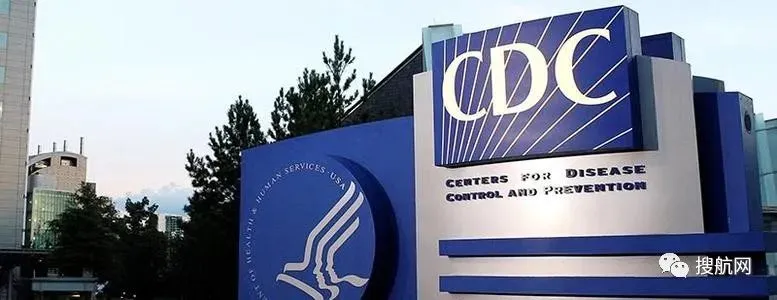
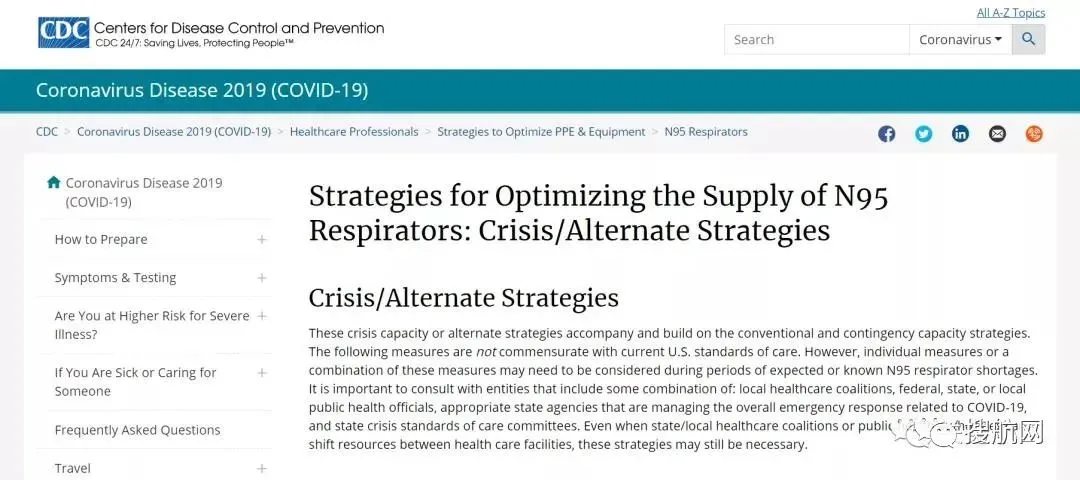
近期,欧美口罩的认证和标准成为广大外贸出口和货代物流企业关注的焦点!据搜航网最新获悉,上周,美国疾病控制与预防中心(CDC)正式发布涉及口罩标准规定的《优化N95口罩供应策略:危机/替代策略》!


CDC宣布接受N95口罩中国标准


这是一个事关所有计划出口美国的外贸物流企业的事件,公告指出:新冠肺炎疫情期间,当N95口罩供给不足时,按下表中标准生产的口罩,是N95口罩合适的替代品。其中包括采用中国标准GB 2626-2006 和GB/T 18664—2002生产的口罩。


Strategies for Optimizing the Supply of N95 Respirators: Crisis/Alternate Strategies


Crisis/Alternate Strategies


These crisis capacity or alternate strategies accompany and build on the conventional and contingency capacity strategies. The following measures are not commensurate with current U.S. standards of care. 


However, individual measures or a combination of these measures may need to be considered during periods of expected or known N95 respirator shortages. It is important to consult with entities that include some combination of: local healthcare coalitions, federal, state, or local public health officials, appropriate state agencies that are managing the overall emergency response related to COVID-19, and state crisis standards of care committees. 


Even when state/local healthcare coalitions or public health authorities can shift resources between health care facilities, these strategies may still be necessary.


目前在疫情期间,进入美国市场都需要进口商向FDA申请获取口罩的紧急使用资质,符合以下标准的N95口罩,可以简化原美国FDA注册流程以及NIOSH的检测流程,快速投入使用


国家

执行标准

可接受的产品等级

标准/指导文件

防护系数≥ 10

澳大利亚

AS/NZS

1716:2012

P3

P2

AS/NZS 1715:2009

YES

巴西

ABNT/NBR 13698:2011

PFF3

PFF2

Fundacentro CDU 614.894

YES

中国

GB 2626-2006

KN100 

KP100

KN95 

KP95

GB/T 18664—2002

YES

欧盟

EN 149-2001

FFP3

FFP2

EN 529:2005

YES

日本

JMHLW-2000

DS/DL3

DS/DL2

JIS T8150: 2006

YES

韩国

KMOEL-2017-64

Special

1st

KOSHA GUIDE H-82-2015

YES

墨西哥

NOM-116-2009

N100, P100,

R100,N99,

P99, R99,

N95, P95, 

R95

NOM-116

YES

美国NIOSH要求

NIOSH approved
42 CFR 84

N100, P100,

R100,N99,

P99, R99,

N95, P95,

R95

OSHA 29CFR1910.134

YES

表格来源深圳海关官网


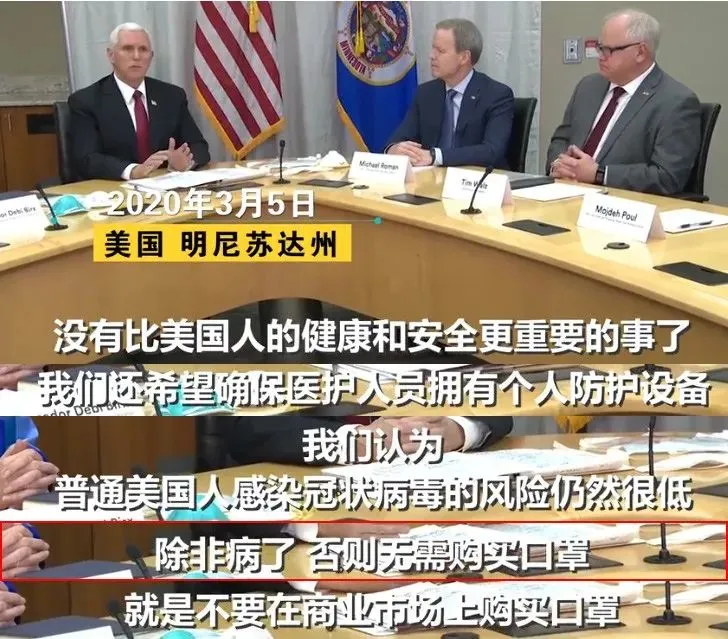
早前,美国副总统彭斯在3月5日新闻发布会上告诉大家,“除非病了,否则无需购买口罩”。


这真是啪啪的打脸,但也给国内口罩生产商和贸易企业创造了出口机会,而且美国也已取消口罩等部分防疫产品的关税加征。


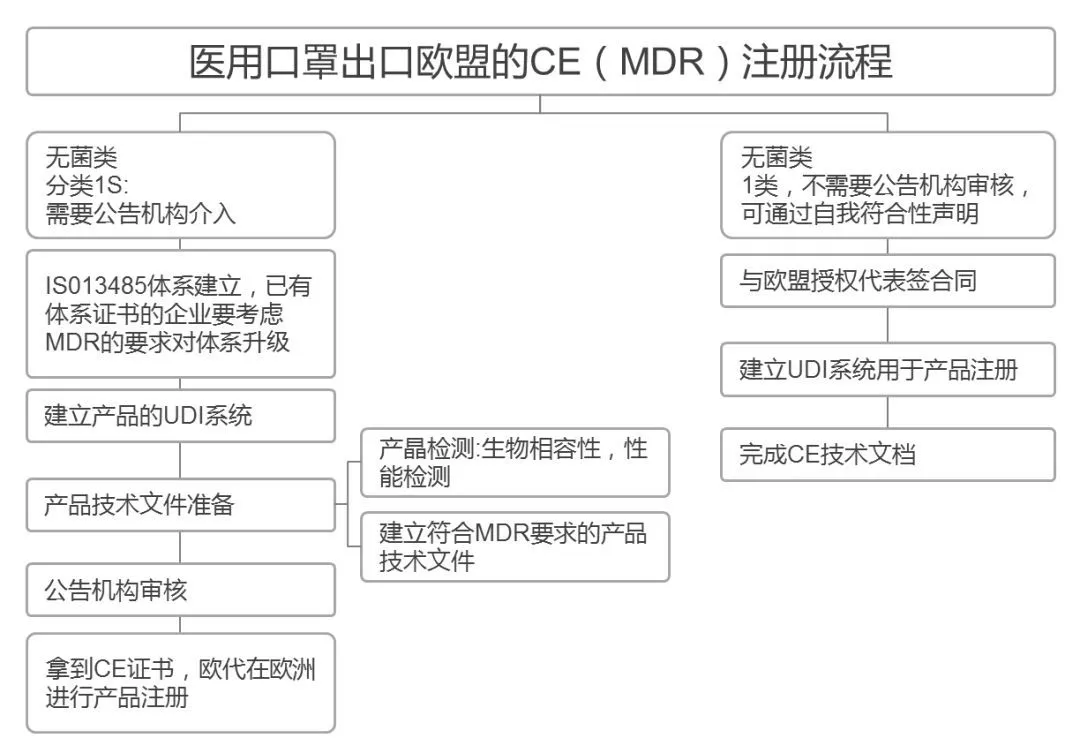
欧盟开启口罩绿色通道


不仅美国,同样深陷新冠肺炎疫情的欧洲,同样特事特办,紧急开通了口罩类防疫物资的绿色通道。


近日,欧美紧急放宽口罩等防疫物资准入要求(CE认证和FDA认证),需要机构认证的产品在完成合规性评估程序之前(即取得CE/FDA标志之前)可以先出口,但是要确保认证工作会继续完成。


欧盟成员国主管当局可在疫情期间评估和集中采购没有CE标记的防疫产品,该产品仅可以提供给医护人员使用,不能在市场上流通销售。如果你的产品不是政府集中采购,且要在当地市场上销售的,则不属于上述放宽准入的条件范围。


2020年3月13日,欧盟会员会在欧洲官方杂志( Official Journal of the EuropeanUnion)发布了疫情期间针对医疗器械和个人防护用品 (PPE)的符合性评价和市场监督程序的建议。


医疗器械方面


◆如果市场监督机构确定产品符合医疗器械的基本安全和性能要求,即使其符合性评价还未完成,市场监督机构可以允许其在一定的时间内进行销售,同时该产品必须继续完成其符合性评价过程。


◆成员国主管当局也可在疫情期间评估和组织采购没有CE标记的医疗器械,该产品仅可提供给医疗工作者使用,不能在市场上流通销售。同时市场抽查将会重点抽查防疫相关医疗器械,以防止不合格产品导致严重风险。


个人防护用品(PPE)方面:


◆涉及的产品包括抛弃式和可重复使用的口罩、可重复使用的工作服、手套和眼罩等(主要是预防病毒和有害物质的产品)。需要具有PPE法规授权资格的公告机构进行符合性评价。


◆应急审批产品如果不采用PPE法规协调标准作为产品技术要求而采用其它技术要求,比如WHO的推荐要求,须确保采用的技术要求与PPE法规基本健康与安全要求同等防护水平。公告机构对这类采用其它技术要求的PPE产品进行发证时,需要立即通知主管当局和其它PPE法规的公告机构。


◆如果市场监督机构确定产品符合PPE法规的基本健康和安全要求,即使其符合性评价还未完成,市场监督机构可以允许其在一定的时间内进行销售,同时该产品必须继续完成其符合性评价过程。


◆成员国主管当局也可在疫情期间评估和组织采购没有CE标记的PPE产品,该产品仅可提供给医疗工作者使用,不能在市场上流通销售。同时市场抽查将会重点抽查防疫相关PPE产品,以防止不合格产品导致严重风险。


也就是说,只要处于正在进行符合性评估的过程中,就可以在没有CE标志的情况下先行进入欧盟市场。由市场监督部门进行抽查,发现问题再进行处罚。


重点如下!!!

◆成员国可采购安全有效,但没有CE标记的医疗产品;


◆紧急物资专供医疗人员使用,不可在市场上流通;


◆仅疫情期间有效。


关于CE标识

CE标签就像一把巨伞,底下是规定各类产品安全标准、细分到不同材料和生产模式等的各种欧盟指令。自1985年成立以来,它就成为了高质量、高标准和严格执法的标志,缺少这一标志的商品将不予获准进入欧盟市场。


如今CE标识已经成为了全球认可的质量标志,CE标志可以证明该批在欧盟制作或进口至欧盟成员国的产品符合质量标准,满足保护消费者健康、供应链安全和环境可持续发展的要求。


欧盟口罩要求

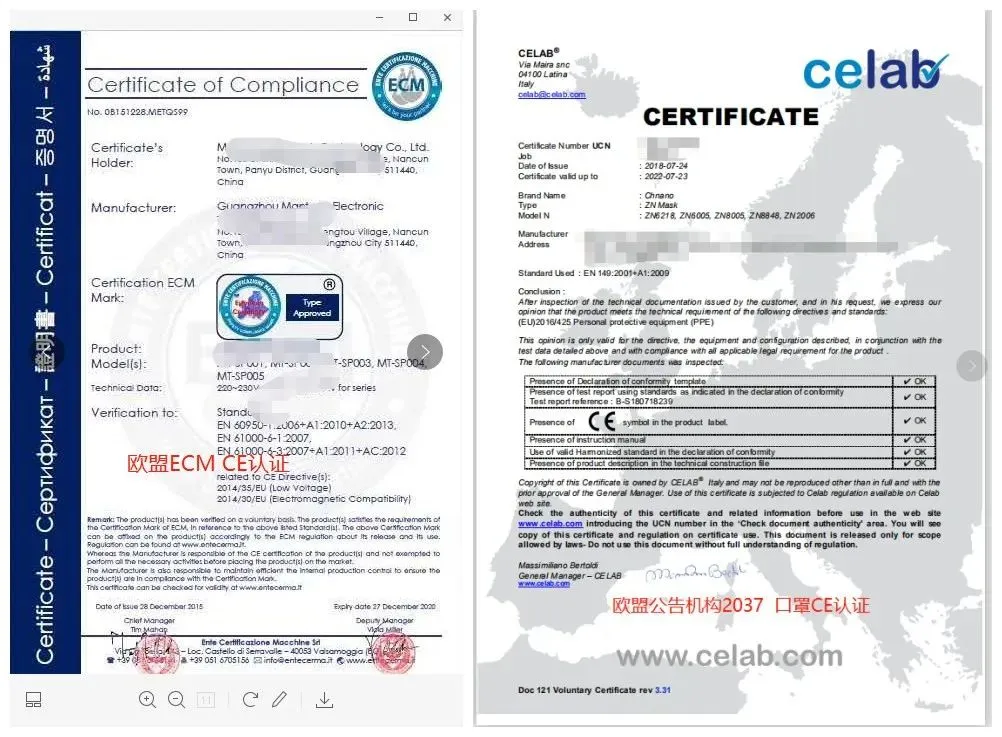
在欧盟,口罩属于PPE个人防护用品,“危及健康的物质和混合物”。2019年起,欧盟新法规PPE Regulation (EU) 2016/425强制执行,所有出口欧盟的口罩必须在新法规的要求下获得CE认证证书。CE认证证书的有效期是5年左右,一般费用是10000-15000元人民币。


欧盟对于口罩欧洲统一,CE认证的标准包括BSEN140、BSEN14387、BSEN143、BSEN149、BSEN136,其中BSEN149使用多,为可防护微粒的过滤式半口罩,根据测试的粒子穿透率分为P1(FFP1),P2(FFP2),P3(FFP3)三个等级,FFP1低过滤效果≥80%,FFP2低过滤效果≥94%,FFP3低过滤效果≥97%。

FFP2口罩与上文提到的医用防护口罩、KN95口罩、N95口罩过滤效率十分接近。医疗口罩必须遵循BSEN14683标准,可以分为三个等级:低标准Type、然后是Type和TypeR。上一个版本是BSEN146832014,已被新版BSEN146832019所取代。EN 14683:2019年版主要的变化之一是压力差,Type、Type、TypeR压力差分别由2014年版的29.4、29.4、49.0Pa/cm,上升至40、40、60Pa/cm。


CE认证是欧盟实行的强制性产品安全认证制度,目的是为了保障欧盟国家人民的生命财产安全。


新手小白可以问自己的发证机构两个问题:

01、贵司是否为NB机构? 机构号是否可以查询?

02、出具的CE证书在官网可查吗?

NB机构可以理解为被欧盟授权或认可的机构。如果CE证书是NB机构发证的,在欧盟就具有一定的效应,清关的风险才会相对较小。


正常情况下,根据欧盟法规,所有出口欧盟的产品都需要获得CE认证,加贴CE标识才能进入欧洲市场。CE认证的审核和发证,欧盟公布了一系列由欧盟统一监管和认证资质授权的机构,并授予每家机构一个唯一的四位数编码即公告号,CE证书的申请和颁发就由对应法规和指令授权的公告号机构颁发。


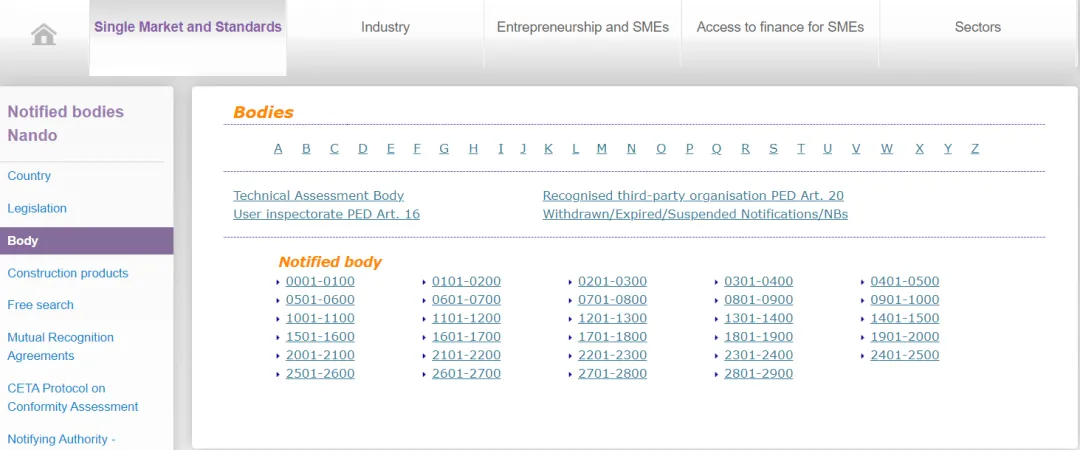
在欧盟官方网站-欧盟公告机构查询官网,厂家可以查询到目前从0001-2786 两千多家欧盟公告号机构详细信息,每家机构对应的指令和法规授权以及发证机构信息都可在该网站查询到。


附:CE认证查验:

https://ec.europa.eu/growth/tools-databases/nando/index.cfm?fuseaction=notifiedbody.main


附:FDA查验(出口美国需要FDA和NIOSH):

https://www.accessdata.fda.gov/scripts/cdrh/cfdocs/cfRL/rl.cfm


近期,大家都在对口罩等医疗物资的欧盟标准犯愁,都是一知半解的状态。在此附上原文查看:


COMMISSION RECOMMENDATION (EU) 2020/403


of 13 March 2020


on conformity assessment and market surveillance procedures within the context of the COVID-19 threat


THE EUROPEAN COMMISSION,

Having regard to the Treaty on the Functioning of the European Union, and in particular Article 292 thereof,

Whereas:


01

In the context of the current COVID-19 global outbreak as well as the rapid spread of the virus across various regions of the EU, the demand for personal protective equipment (hereinafter ‘PPE’) such as face masks, gloves, protective coveralls or eyewear protection, as well as for medical devices such as surgical masks, exploration gloves and some gowns, has seen an exponential growth. In particular, the supply chain of certain types of PPE such as the disposable face masks is under severe strain, due to the exponential growth of the demand both via existing as well as via new channels. In addition, the global supply chain of such products has also sustained significant disruptions, which have induced repercussions on the EU market as well.

02

Bearing in mind that the health and safety of the EU citizens is of upmost priority, it is of paramount importance to ensure that the most appropriate PPE and medical devices ensuring adequate protection are swiftly made available to those who need it most.

03

Economic operators active across the EU are working relentlessly to increase their respective manufacturing and distribution capacity. In order to mitigate the effects of the various disruptive factors, the economic operators are redesigning their supply chains by launching new manufacturing lines and/or diversifying their supplier base. These efforts by the industrial stakeholders would not be able to produce their full effects if the increased supply cannot feed into the market without any undue delays.

04

The requirements for the design, manufacturing and placing on the market of personal protective equipment are laid down by Regulation (EU) 2016/425 of the European Parliament and of the Council of 9 March 2016 on personal protective equipment and repealing Council Directive 89/686/EEC (1).

05

The requirements for the design, manufacturing and placing on the market of medical devices are laid down by Council Directive 93/42/EEC of 14 June 1993 concerning medical devices (2). That Directive is repealed by Regulation (EU) 2017/745 of the European Parliament and of the Council of 5 April 2017 on medical devices, amending Directive 2001/83/EC, Regulation (EC) No 178/2002 and Regulation (EC) No 1223/2009 and repealing Council Directives 90/385/EEC and 93/42/EEC (3), with effect from 26 May 2020.

06

Disposable and re-usable face masks ensuring protection against particulate hazards, disposable and re-usable coveralls, gloves and eyewear protection, which are used for prevention and protection against harmful biological agents such as viruses are products falling within the scope of the Regulation (EU) 2016/425.

07

Surgical masks, examination gloves and some types of gowns are products falling within the scope of Directive 93/42/EEC and of Regulation (EU) 2017/745.

08

In the context of the COVID-19 threat, such PPE and medical devices are essential for healthcare workers, first responders and other personnel involved in the efforts to contain the virus and avoid its further spread.

09

Regulation (EU) 2016/425 fully harmonises the rules for the design, manufacturing and placing on the Union market of PPE and sets out a number of essential health and safety requirements for PPE based on a classification of PPE depending on the risk against which it is intended to protect users. Thus, items of PPE manufactured in accordance with the Regulation (EU) 2016/425 can circulate freely throughout the internal market and Member States may not introduce additional and diverging requirements regarding the manufacturing and placement on the market of such products.

10

Directive 93/42/EEC and Regulation (EU) 2017/745 fully harmonise the rules for the design, manufacturing and placing the Union market of medical devices, and set up a number of essential requirements and of general safety and performance requirements, based on a classification of medical devices depending on specific rules governed by the intended purpose of the devices. Thus, devices manufactured in accordance with the Council Directive 93/42/EEC and Regulation (EU) 2017/745 can circulate freely throughout the internal market and Member States may not introduce additional and diverging requirements regarding the manufacturing and placement on the market of such products.

11

PPE intended to protect against harmful biological agents, such as viruses are listed in Annex I of Regulation (EU) 2016/425 as category III, which includes exclusively the risks that may cause ‘very serious consequences such as death or irreversible damage to health’.

12

Relevant medical devices as non-invasive devices are in Class I, unless specific rules apply.

13

In accordance with Article 8 of Regulation (EU) 2016/425, in order to place PPE products on the market, manufacturers shall carry out the applicable conformity assessment procedures and, where compliance with the applicable essential health and safety requirements has been demonstrated by the appropriate procedure, affix the CE marking.

14

In accordance with Article 11 of Directive 93/42/EEC and with Article 52 of Regulation (EU) 2017/745, once the latter becomes applicable, in order to place medical devices on the market, manufacturers shall carry out the applicable conformity assessment procedures and, where compliance with the applicable essential requirements or general safety and performance requirements has been demonstrated by the appropriate procedure, affix the CE marking. Derogations from conformity assessment procedures may be authorised by Member States, on duly justified request, for the placing on the market and putting into service, within the territory of the Member State concerned, of individual devices the use of which is in the interest of protection of health.

15

Regulation (EU) 2016/425 is technologically neutral and does not lay down any specific mandatory technical solutions for the design of PPE products. Instead, Annex II to Regulation (EU) 2016/425 sets the essential health and safety requirements, which PPE should meet in order to be able to be placed on the market and to circulate freely across the entire EU market.

16

Directive 93/42/EEC and Regulation (EU) 2017/745 are technologically neutral and do not lay down any specific mandatory technical solutions for the design of medical devices. Instead, Annex I to Directive 93/42/EEC sets the essential requirements, and Annex I to Regulation (EU) 2017/745 sets the general safety and performance requirements, which medical devices should meet in order to be able to be placed on the market and to circulate freely across the entire EU market.

17

Article 14 of Regulation (EU) 2016/425 offers the possibility for manufacturers to rely on specific technical solutions, which are detailed in harmonised standards or parts thereof the references of which have been published in the Official Journal of the European Union. In accordance with this Article, should a manufacturer choose to adopt such a technical solution, the PPE is presumed to be in conformity with the essential health and safety requirements covered by the said harmonised standard or parts thereof. However, compliance with the harmonised standards is not mandatory. Manufacturers are free to choose other technical solutions provided that the specific solution which is retained ensures that the PPE complies with the applicable essential health and safety requirements.

18

Article 5 of Directive 93/42/EEC and Article 8 of Regulation (EU) 2017/745 offer the possibility for manufacturers to rely on specific technical solutions, which are detailed in harmonised standards or parts thereof the references of which have been published in the Official Journal of the European Union. In accordance with this Article, should a manufacturer choose to adopt such a technical solution, the medical device is presumed to be in conformity with the requirements covered by the said harmonised standard or parts thereof. However, compliance with the harmonised standards is not mandatory. Manufacturers are free to choose other technical solutions provided that the specific solution which is retained ensures that the medical device complies with the applicable essential health and safety requirements.

19

Article 19 of Regulation (EU) 2016/425 lays down the specific conformity assessment procedures, which apply to the different categories of PPE. Pursuant to this Article, items of PPE of category III, such as the ones designed protect against harmful biological agents should be subjected to specific combination of conformity assessment procedures, which are described respectively in Annexes V, VII and VIII of the same Regulation. Each of the different conformity assessment procedures, which may be used, require the mandatory involvement of a third party conformity assessment body.

20

Article 11 of Directive 93/42/EEC and Article 52 of Regulation (EU) 2017/745, once the latter becomes applicable, lay down the specific conformity assessment procedures, which apply to the different classes of medical devices. Pursuant to these Articles, medical devices falling within Class I, other than custom-made or investigational devices, should be subjected to the conformity assessment procedure for the EC declaration of conformity, without the involvement of a third party conformity assessment body.

21

Notified bodies are the conformity assessment bodies designated by Member States and authorised to carry out third party conformity assessment tasks under Regulation (EU) 2016/425. According to Article 26(4) and point 7 (f) of Annex V of Regulation (EU) 2016/425, notified bodies are required to assess that a PPE product meets the applicable essential health and safety requirements. Notified bodies need to carry out this assessment not only where the manufacturer has applied the harmonised standards, but also in a situation where the manufacturer has followed other technical solutions. When delivering the conformity assessment certificates, notified bodies are required to inform their notifying authorities and may also be required to inform other notified bodies of the certificates they have issued, as set out in Article 34 of Regulation (EU) 2016/425.

22

Notified bodies should thus assess whether products manufactured in line with other technical solutions, such as the ones contained in the WHO recommendations on the appropriate selection of PPE also meet the applicable essential health and safety requirements. In view of the importance to ensure an efficient exchange of information between all stakeholders in the PPE supply chain, where notified bodies conclude that a PPE following another specific standard or technical solution is compliant with the essential health and safety requirements applicable to it, sharing this information will be instrumental in facilitating the assessment of other products manufactured according to the same specific standard or technical solution in a swift manner. To that effect, notified bodies can make use of the existing channels for exchange of information in the framework of the coordination groups established in accordance with Article 36 of Regulation (EU) 2016/425.

23

In addition, pursuant to the relevant market surveillance procedures in Regulation (EU) 2016/425 and in particular Article 38(1) and (2) thereof, where a market surveillance authority encounters a non-CE marked PPE product they are required to evaluate it. Where, in the course of the evaluation, the market surveillance authorities find that the PPE does not comply with the requirements laid down in the Regulation, they shall require the economic operator to take corrective action to bring the PPE into compliance or to recall or withdraw it, commensurate with the nature of the risk. They shall also inform the Commission and other Member State of the results of the evaluation and the actions which they have required the economic operator to take.

24

Accordingly, to address the shortage of PPE necessary in the context of the COVID-19 outbreak, where non-CE marked PPE are intended to enter the EU market, the relevant market surveillance authorities should evaluate the products and, if they are found to be compliant with the essential health and safety requirements laid down by the relevant Regulation should take measures allowing the placing of such PPE on the Union market for a limited period of time or while the conformity assessment procedure with the notified body is being carried out. In order to ensure that such products can be made available in other Member States and in view of the importance to ensure an efficient exchange of information as well as a coordinated response to all threats to the citizens’ health and safety, it is appropriate that the market surveillance authority carrying out such an evaluation communicates its decision to other Member States authorities and to the Commission through the regular market surveillance information exchange channels.

25

Considering that certain types of PPE or medical devices that are used in the context of the COVID-19 outbreak, may also be used for other purposes, it is necessary that Member States take all appropriate measures to ensure that PPE or medical devices not bearing the CE marking, which may be placed on the Union market in accordance with paragraph 8 of the present Recommendation are only made available to healthcare workers,


HAS ADOPTED THIS RECOMMENDATION:


1. With the objective to ensure availability of PPE and medical devices for adequate protection in the COVID-19 outbreak, the Commission invites all economic operators throughout the supply chain, as well as notified bodies and market surveillance authorities to deploy all the measures at their disposal to support the efforts aimed at ensuring that the supply of PPE and medical devices throughout the EU market will match the continuously increasing demand. Such measures should nevertheless not have a detrimental effect on the overall level of health and safety and all relevant stakeholders should ensure that any PPE or medical devices, which is being placed on the EU market, continues to provide an adequate level of protection of the users’ health and safety.


CONFORMITY ASSESSMENT PROCEDURES


2.The notified bodies under Regulation (EU) 2016/425 should prioritise and swiftly conduct the conformity assessment activities in the framework of all newly submitted requests by economic operators of PPE necessary for protection in the context of the COVID-19 outbreak.


3.In the case of PPE products manufactured following technical solutions other than harmonised standards, the WHO recommendations on the appropriate selection of PPE may be used as a potential source of reference for such technical solutions, provided that the said technical solutions ensure an adequate level of protection corresponding to the applicable essential health and safety requirements laid down in Regulation (EU) 2016/425.


4.Notified bodies which issue certificates to PPE products manufactured following other technical solutions than harmonised standards, should immediately inform the relevant notifying authority as well as the other notified bodies under Regulation (EU) 2016/425 of the certificates issued and the specific technical solution followed. Notified bodies should exchange such information through the coordination of notified bodies group established under Article 36 of Regulation (EU) 2016/425.


5.In the case of medical devices, the possibility for Member States to authorise derogations from conformity assessment procedures should also be considered, according to Article 11(13) of Directive 93/42/EEC and Article 59 of Regulation (EU) 2017/745 once the latter becomes applicable, also when the intervention of a notified body is not required.


MARKET SURVEILLANCE PROCEDURES


6.The relevant market surveillance authorities in the Member States should as a matter of priority focus on non-compliant PPE or medical devices raising serious risks as to the health and safety of their intended users.


7.Where market surveillance authorities find that PPE or medical devices ensure an adequate level of health and safety in accordance with the essential requirements laid down in Regulation (EU) 2016/425 or the requirements of Directive 93/42/EEC or Regulation (EU) 2017/745, even though the conformity assessment procedures, including the affixing of CE marking have not been fully finalised according to the harmonised rules, they may authorise the making available of these products on the Union market for a limited period of time and while the necessary procedures are being carried out.


8.PPE or medical devices not bearing the CE marking could also be assessed and part of a purchase organised by the relevant Member State authorities provided that is ensured that such products are only available for the healthcare workers for the duration of the current health crisis and that they are not entering the regular distribution channels and made available to other users.


9.Market surveillance authorities should inform immediately the Commission and other Member States of any temporary arrangement they have granted to specific PPE or medical devices. For PPE, this should be done through the Information and Communication System for Market Surveillance (ICSMS).

Done at Brussels, 13 March 2020.


For the Commission

Thierry BRETON

Member of the Commission


翻译版供参考,具体请以英文原版为准:

COVID-19威胁范围内的合格评定和市场监督程序


欧洲委员会,考虑到《欧洲联盟运作条约》,特别是其第292条,鉴于:


1、在当前的COVID-19全球爆发以及病毒在欧盟各个地区的快速传播的背景下,对个人防护设备(以下称“ PPE”)的需求,例如口罩,手套,防护工作服或眼镜防护以及用于外科口罩,探查手套和某些礼服等医疗设备的数量呈指数增长。特别是,由于通过现有渠道以及通过新渠道的需求呈指数增长,某些类型的PPE(例如一次性口罩)的供应链承受着巨大的压力。此外,此类产品的全球供应链也遭受了严重破坏,这也引起了欧盟市场的反响。


2、牢记欧盟公民的健康和安全是重中之重,因此,确保向最需要的人迅速提供最适当的个人防护设备和医疗设备,以确保提供足够的保护,这一点至关重要。


3、活跃于整个欧盟的经济运营商正在不懈努力,以提高各自的制造和分销能力。为了减轻各种破坏性因素的影响,经济运营商正在通过启动新的生产线和/或使其供应商基础多样化来重新设计其供应链。如果供应增加而没有任何不适当的延误,则工业利益相关者的这些努力将无法发挥全部作用。


4、有关个人防护设备的设计,制造和投放市场的要求,由欧洲议会和理事会于2016年3月9日颁布的第(EU)2016/425号条例(关于个人防护设备)以及废除理事会第89/686号指令规定/ EEC  (1)。


5、1993年6月14日关于医疗器械的理事会指令93/42 / EEC对医疗器械的设计,制造和投放市场提出了要求  (2)。欧洲议会和2017年4月5日关于医疗器械的理事会(EU)2017/745条例,该指令2001/83 / EC,条例(EC)178/2002和条例(EC)的修订已废除该指令1223/2009和废除理事会指令90/385 / EEC和93/42 / EEC  (3),自2020年5月26日起生效。


6、一次性和可重复使用的口罩,可防止颗粒物危害,一次性和可重复使用的工作服,手套和眼镜防护,用于预防和防止有害生物制剂(如病毒)属于本法规范围内的产品(欧盟)2016/425。


7、外科口罩,检查手套和某些长袍类型的产品属于93/42 / EEC指令和2017/745法规(EU)的范围。


8、在发生COVID-19威胁的情况下,此类PPE和医疗设备对于参与遏制病毒并避免其进一步传播的医护人员,急救人员和其他人员至关重要。


9、(EU)2016/425法规充分协调了PPE的设计,制造和投放市场的规则,并根据PPE的类别(取决于其所面临的风险)对PPE提出了一些基本的健康和安全要求旨在保护用户。因此,根据法规(EU)2016/425制造的PPE物品可以在整个内部市场自由流通,成员国不得对此类产品的制造和投放市场引入额外的和不同的要求。


10、93/42 / EEC指令和(EU)2017/745法规充分协调了医疗器械联盟市场的设计,制造和销售规则,并根据以下内容建立了一些基本要求以及一般安全和性能要求根据受器械预期用途支配的特定规则对医疗器械进行分类。因此,根据理事会指令93/42 / EEC和法规(EU)2017/745制造的设备可以在整个内部市场自由流通,成员国不得对此类设备的制造和投放市场引入额外的和不同的要求产品。


11、PPE旨在防止有害生物制剂,如病毒在法规附件I(EU)四百二十五分之二千零十六为III类,其中包括完全可能导致的风险上市“非常严重的后果,如死亡或不可逆的损害健康 ” 。


12、除非适用特定规则,否则与非侵入性设备相关的医疗设备属于I类。


13、根据(EU)2016/425号法规第8条,为了将PPE产品投放市场,制造商应执行适用的合格评定程序,并在符合条件的情况下证明符合适用的基本健康和安全要求按照适当的程序,贴上CE标志。


14、根据指令93/42 / EEC的第11条和(EU)2017/745法规的第52条,一旦后者适用,为了将医疗设备投放市场,制造商应执行适用的合格评定程序并且,如果通过适当的程序证明符合适用的基本要求或一般安全和性能要求,请贴上CE标志。会员国可应正当理由要求批准从合格评定程序中减损,以便在有关会员国领土内投放市场并在使用中保护受保护的单个设备健康。


15、法规(EU)2016/425在技术上是中立的,没有为PPE产品的设计规定任何特定的强制性技术解决方案。相反,法规(EU)2016/425的附件II规定了基本的健康和安全要求,PPE应该满足这些基本要求,以便能够投放市场并在整个欧盟市场上自由流通。


16、93/42 / EEC指令和法规(EU)2017/745在技术上是中立的,没有为医疗设备的设计规定任何特定的强制性技术解决方案。相反,指令93/42 / EEC的附件I设置了基本要求,法规(EU)2017/745的附件I设置了一般安全性和性能要求,医疗设备应满足这些要求才能将其放置在市场,并在整个欧盟市场上自由流通。


17、(EU)2016/425号法规第14条为制造商提供了依赖特定技术解决方案的可能性,这些解决方案在统一标准或其部分中进行了详细说明,其参考文献已在《欧盟官方杂志》上发表。根据本条,如果制造商选择采用这样的技术解决方案,则假定个人防护设备符合上述统一标准或其部分所涵盖的基本健康和安全要求。但是,并非必须遵守协调标准。制造商可以自由选择其他技术解决方案,前提是保留的特定解决方案可确保PPE符合适用的基本健康和安全要求。


18、指令93/42 / EEC的第5条和法规(EU)2017/745的第8条为制造商提供了依赖特定技术解决方案的可能性,这些解决方案在统一标准或其部分中作了详细说明,其参考文献已在欧盟官方杂志。根据本条,如果制造商选择采用这种技术解决方案,则假定医疗器械符合上述协调标准或其部分所涵盖的要求。但是,并非必须遵守协调标准。制造商可以自由选择其他技术解决方案,前提是保留的特定解决方案可确保医疗设备符合适用的基本健康和安全要求。


19、(EU)2016/425号法规第19条规定了具体的合格评定程序,该程序适用于不同类别的PPE。根据本条,第三类个人防护装备的项目,例如旨在防止有害生物制剂的项目,应进行合格评定程序的特定组合,分别在同一法规的附件V,VII和VIII中进行描述。可能使用的每种不同的合格评定程序都需要第三方合格评定机构的强制参与。


20、93/42 / EEC指令的第11条和法规(EU)2017/745的第52条一旦适用,就制定适用于不同类别医疗设备的特定合格评定程序。根据这些条款,属于第一类的医疗设备(定制或研究用设备除外)应接受EC合格声明的合格评定程序,而无需第三方合格评定机构的参与。


21、公告机构是成员国指定的合格评定机构,并有权执行法规(EU)2016/425中的第三方合格评定任务。根据第(EU)2016/425号法规第26条第4款和附件V第7点(f)的规定,指定机构必须评估PPE产品是否符合适用的基本健康和安全要求。认证机构不仅需要在制造商采用统一标准的地方进行评估,还需要在制造商遵循其他技术解决方案的情况下进行评估。交付合格评定证书时,指定机构必须通知其通知当局,也可能需要将其签发的证书通知其他指定机构,


22、因此,公告机构应评估根据其他技术解决方案生产的产品(例如,世卫组织关于适当选择个人防护装备的建议中所包含的产品)是否也符合适用的基本健康和安全要求。考虑到确保个人防护装备供应链中所有利益相关者之间有效信息交换的重要性,公告机构得出结论认为,遵循另一项特定标准或技术解决方案的个人防护装备符合适用于其的基本健康和安全要求,这些信息将有助于快速评估根据同一特定标准或技术解决方案生产的其他产品。为此,


23、此外,根据法规(EU)2016/425中的相关市场监督程序,尤其是其中的第38(1)和(2)条,如果市场监督机构遇到非CE标志的PPE产品,则需要对其进行评估它。市场评估机构在评估过程中发现个人防护设备不符合本规章的要求时,应要求经济经营者采取纠正措施以使个人防护设备符合要求或召回或撤回它,与风险的性质相称。他们还应将评估结果以及他们要求经济经营者采取的行动告知委员会和其他成员国。


24、因此,为了解决在COVID-19爆发时(非CE标志的PPE打算进入欧盟市场)所必需的PPE短缺的问题,相关的市场监督机构应对产品进行评估,如果发现这些产品属于符合相关法规所规定的基本健康与安全要求的人员,应采取措施,在有限的时间内或在与指定机构进行合格评定程序的同时,将此类PPE投放到欧盟市场。为了确保可以在其他会员国提供此类产品,并考虑到确保有效交换信息以及对对公民健康和安全的所有威胁作出协调反应的重要性,


25、考虑到在COVID-19爆发中使用的某些类型的PPE或医疗设备也可能用于其他目的,有必要使会员国采取一切适当措施,以确保不携带PPE或医疗设备的医疗设备。根据本建议书第8段可以在欧盟市场上投放的CE标记仅提供给医护人员,


通过了此建议:


1.为了确保在COVID-19爆发中提供个人防护设备和医疗设备以提供适当的保护,委员会邀请整个供应链中的所有经济运营商以及指定机构和市场监督机构在其部署中采取所有措施处置以支持旨在确保整个欧盟市场的个人防护设备和医疗设备的供应与不断增长的需求相匹配的工作。但是,此类措施不应对整体健康和安全水平产生不利影响,所有相关利益相关方应确保投放到欧盟市场的任何个人防护设备或医疗设备继续为用户提供足够的保护水平' 健康和安全。


合格评定程序


2、根据(EU)2016/425号条例的指定机构,应优先考虑并迅速进行PPE经济运营商在保护COVID-19时应保护的PPE经济运营商所有新提交的要求中的合格评定活动。


3、对于遵循非统一标准的技术解决方案生产的PPE产品,只要这些技术解决方案确保足够的保护水平,WHO关于适当选择PPE的建议可以用作此类技术解决方案的潜在参考来源。符合法规(EU)2016/425规定的适用基本健康与安全要求。


4、向遵循统一标准以外的其他技术解决方案生产的PPE产品颁发证书的认证机构,应立即将其颁发的证书和遵循的具体技术解决方案通知相关的通报机构以及根据(EU)2016/425条的其他认证机构。公告机构应通过根据法规(EU)2016/425第36条成立的公告机构小组的协调来交换此类信息。


5,就医疗器械而言,根据指令93/42 / EEC第11(13)条和法规(EU)2017/745的第59条,还应考虑成员国授权从合格评定程序中减损的可能性。后者在不需要指定机构介入的情况下也适用。

市场监督程序


6、成员国的相关市场监督机构应优先关注不合规的个人防护设备或医疗设备,这些设备会对其预期用户的健康和安全造成严重风险。


7、市场监督机构发现PPE或医疗设备可确保根据(EU)2016/425法规或93/42 / EEC指令或2017(EU)法规的基本要求确保足够的健康和安全水平/ 745,即使尚未按照协调规则完全完成包括CE标志在内的合格评定程序,它们仍可以授权在限定的时间内在欧盟市场上提供这些产品程序正在执行中。


8、不带CE标志的PPE或医疗设备也可以进行评估,并由相关成员国当局组织购买的一部分,前提是要确保此类产品仅在当前健康危机期间可供医护人员使用,并确保它们没有进入常规分销渠道,并可供其他用户使用。


9、市场监督机构应立即将其授予特定PPE或医疗设备的任何临时安排告知委员会和其他成员国。对于个人防护设备,应通过用于市场监视的信息和通信系统(ICSMS)来完成。


欧盟成员国名单(27国):


奥地利、比利时、保加利亚、塞浦路斯、捷克、克罗地亚、丹麦、爱沙尼亚、芬兰、法国、德国、希腊、匈牙利、爱尔兰、意大利、拉脱维亚、罗马尼亚、立陶宛、卢森堡、马耳他、荷兰、波兰、葡萄牙、斯洛伐克、斯洛文尼亚、西班牙、瑞典。


(文章来源@搜航网)

免责声明
本文链接:
本文经作者许可发布在AMZ123跨境头条,如有疑问,请联系客服。
最新热门报告作者标签
俄罗斯电商市场快速增长,综合平台优势大于独立站
AMZ123获悉,近日,Euromonitor、EMARKETER及Yakov and Partners发布了《俄罗斯电商市场发展现状》报告。报告基于2020-2024年的数据,对俄罗斯电商市场的发展趋势、综合电商平台与独立电商的竞争格局、各品类表现、未来市场预测进行了系统分析。一、俄罗斯电商趋势1.互联网渗透率增长放缓2020至2024年,俄罗斯互联网使用率从78.1%(约9560万用户)提升至85.5%(约1.04亿用户),四年间增加7.4%(新增约790万用户)。俄罗斯的互联网渗透率增速正在逐年放缓,预计到2029年互联网渗透率将达到89%(约1.08亿用户)。
越南加强进口商品监管,修订多项增值税和海关规则
AMZ123获悉,近日,越南海关公布了2026年对增值税(VAT)、特别消费税(SCT)及电子交易管理的多项修订,核心在于统一税制规则、扩大免税范围并加强跨境与电子化申报管理。此次调整既有减轻企业合规成本、扶持出口与产业链升级的内容,也伴随对部分消费品与临时进口再出口环节的更严监管,直接影响生产、进出口和跨境电商卖家。在增值税方面,新法律将此前零散的官方函件并入法律和配套法令,提升透明度并便于电子化处理。关键变化包括扩大增值税免税目录:列入政府清单的自然资源与矿产(无论原料还是加工品)在出口时被明确归为增值税免税项目。
TikTok Shop黑五复盘,一堆中国卖家晒出百万GMV
黑五复盘,TikTok卖家:“库存差点给我爆完了!”
存生命危险!美国CPSC紧急召回超1万件儿童手写板玩具
AMZ123获悉,近日,美国消费品安全委员会(CPSC)宣布,紧急召回亚马逊在售的KTEBO品牌的儿童书写板玩具,原因是该产品未能符合玩具类产品的强制性安全标准,电池仓固定螺丝无法保持牢固,可能导致纽扣电池外露。若儿童误吞纽扣电池,可能造成严重伤害、内部化学灼伤,甚至威胁生命。此次召回涉及KTEBO品牌的双件套书写平板玩具,召回数量约10,380件,产品提供四种颜色组合,包括粉色/蓝色、绿色/黄色、橙色/蓝色以及紫色/红色,并有8.5英寸与10英寸两种规格,每套配有与机身同色的手写笔。
AliExpress波兰11月增长显著,双十一活动日活用户增长37%
AMZ123获悉,近日,AliExpress的数据显示,平台11月的消费者参与度与卖家销售额大幅增长。今年11月11日至19日举行的AliExpress双十一购物节活动期间,波兰用户的参与度显著提升,日活跃用户数量同比增长37%。随着去年秋季AliExpress开放波兰本地卖家入驻,今年波兰本地卖家的参与度也明显提高,他们在此次双十一促销期间的GMV同比增长74%。从消费偏好来看,智能生活类产品持续吸引波兰消费者,智能家居与清洁设备成为销售榜单的主导品类。Dreame、ILIFE、Laresar等品牌的扫地机器人和自动吸尘设备进入最畅销产品行列,反映波兰家庭对智能化、便捷化生活方式的需求不断上升。
亚马逊印度计划投资127亿美元,推动本地云和AI基础设施建设
AMZ123获悉,近日,亚马逊宣布,将在2030年前进一步推动人工智能在印度的普及,计划投入127亿美元建设本地云和AI基础设施。亚马逊表示,这项长期投资将为超过1500万家中小企业带来AI应用能力,同时在2030年前为400万名公立学校学生提供AI素养课程与职业教育,提高数字技能普及度。亚马逊认为,AI正成为提升印度数字包容性的关键力量,能够突破语言、读写能力与访问渠道的限制,让更多个人与企业受益。在中小企业领域,亚马逊正在推出新一代AI工具,以降低经营门槛、简化业务操作并提升增长效率。
“黑五网一”DTC投放数据复盘,流量都去哪了?
2025 年“黑五网一”大战,终于落下帷幕。除了 GMV ,这场仗花了多少“弹药”,你算清楚了吗?流量场上的每一发子弹,都正中靶心了吗?偏离的原因找到了吗?除了看自己后台的数据,还要看清整个大盘的趋势——这决定了我们下一步该往哪儿走。基于 GoodsFox 监控的投放数据,我们有以下发现:服装、美妆的竞争力度只增不减3D 打印与机械键盘,从“小众圈层”跃升为热门赛道宠物经济的流量稳定,不靠爆点也能撑起大盘这些变化背后,都在重塑今年“黑五网一”的投放结构,我们先从流量基本盘讲起——尽管每年都有新风口,但从广告投放的绝对体量来看,传统大盘仍在支撑整体流量水位。
还在“索评”?亚马逊Review管理的红线与出路
亚马逊的评论管理格局是如何改变的?首先要明确一点:过去几年,亚马逊的Review生态系统发生了剧变,这对各类管理工具产生了深远影响。在买家端,那些专门用来标记“虚假评论”(或帮助买家鉴别真伪)的老一代工具正在失效甚至消失。不少买家就因为Fakespot在平台冲突、合规问题和数据接口变更的压力下关停而感到措手不及。Fakespot是一个分析电商产品评论真实性、帮助消费者识别虚假评价的平台。在卖家端,亚马逊的政策合规和风控机制变得更加严厉。这意味着Review的风险红线变了:以前那些“地毯式索评”或“送测(Giveaway)”的套路可能有效,但现在操作这些手段的封号风险极高。
AMZ123PayPal计算器使用指南及常见问题详解(内附计算公式)
Paypal手续费计算器介绍及计算公式分享 https://www.amz123.com/tools-paypal
重磅!亚马逊公布2026年战略重心变化
AMZ123获悉,12月4日,2025年亚马逊全球开店跨境峰会上,亚马逊回顾了过去一年里中国卖家在亚马逊上所取得的进展,并围绕2026年四大业务战略重点——供应链服务、AI赋能、全球拓展布局、本地服务,揭晓了40余项创新举措。根据亚马逊披露的数据:2025年以来,中国卖家通过亚马逊全球站点售出数十亿件商品,在美欧等成熟站点的销售额增长超过15%,在新兴站点的销售额增长超过30%;2025年以来,销售额达到200万、500万、800万美金的中国卖家数量,增长均超过20%;销售额超过1000万美金的中国卖家数量,增幅近30%。
卖家还在等口径!欠税公示制度却已明确落地
卖家还在“等政策”,但政策已明确趋严过去几个月里,跨境卖家对税务政策最大的期待就是——“能不能再等等,看会不会有新口径”。但事实上,政策并没有往宽松走,而是沿着“数据透明—提醒申报—强化监管”这条路径一步步推进。AMZ123了解到,目前已有超过7000家境内外平台完成涉税信息报送,卖家的线上线下销售数据已全面纳入监管体系。随着数据比对展开,税务部门对申报明显低于平台数据的经营者陆续发出提示,要求补充申报;多数卖家在收到提示后完成了更正,但也的确还有部分经营者迟迟没有动作,继续处于观望甚至低申报的状态。在这种情况下,监管的态度也开始变得更为明确:对于未按规定申报的行为,将从提醒阶段进入到强化管理阶段。
亚马逊新功能,能救你一整条链接!
最近有卖家后台发现,亚马逊多了一个新功能,看起来不起眼,实则很关键——绩效提醒(Performance Notifications)。这个功能解决了我们运营过程中的一个老大难:链接出问题时能不能第一时间被提醒?以前我们发现Listing出状况,大多靠“事后诸葛”:出单突然断了,去查是不是被下架;关键词排名一夜暴跌,才想起去对比转化率;广告Acos拉爆、CTR异常,才知道图可能挂了;等你发现问题,可能已经晚了。这次,亚马逊终于“良心发现”,开始主动提醒你链接的数据异常了。这个新功能到底能干啥?说白了,它就是一个链接级别的数据异常预警系统。
汽配类目又现吸金王,TikTok卖家30天入账1100万
月销量暴涨36007900%,这一汽配用品在TikTok卖爆了
跨界AI失败?深圳大卖资产重组终止!
12月2日,跨境3C 配件大卖杰美特发布公告,宣布决定终止筹划以现金方式收购AI 算力解决方案提供商思腾合力(天津)科技有限公司(以下简称“思腾合力”)控制权的重大资产重组事项。这场筹划半年、备受行业关注的跨界收购突然落幕,消息一出引发市场热议。AMZ123获悉,杰美特于2025年6月21日首次披露了筹划重组的提示性公告,拟通过现金交易控股思腾合力,该交易初步测算构成重大资产重组,且不涉及发行股份、不构成关联交易,也不会导致公司控制权变更。杰美特是“中国手机壳第一股”,主营业务为移动智能终端保护类产品的研发、设计与销售,产品包括手机、平板及穿戴设备的保护壳与表带等。
TikTok Shop英国站黑五创历史新高,销售额同比飙升50%
AMZ123获悉,近日,根据TikTok的公告,TikTok Shop英国站在今年黑色星期五期间创下平台历史最高销售纪录,整体销售额较去年同期提升50%。高峰期出现在黑色星期五当天,当日每秒售出27件商品,刷新TikTok Shop在英国的单日销售纪录。今年消费者开始促销季的时间更早,“假黑五”(Fake Friday,即黑五前一周)的销售额达到去年黑色星期五的纪录水平。黑五周末期间,“TikTok Shop Black Friday”搜索量同比增长404%,成为2025年与黑五相关的最高热度搜索词。同期,平台活跃购物人数较去年增加28%。
宠物消费持续升温,亚马逊10款月销过万宠物产品推荐
AMZ123获悉,近日,亚马逊各类产品搜索量增长显著,以下10款产品在亚马逊上销量表现突出,深受消费者欢迎。1. 猫咪情绪舒缓喷雾预计销售额:139.84万美元/月销量:26,000+星级评分:4.4好评数量:12,694+图源:亚马逊产品描述:FELIWAY Optimum猫咪情绪舒缓喷雾的专利信息素复合物能显著减少猫咪的应激表现,包括喷尿、抓挠、恐惧反应、紧张冲突等。产品无药性、安全且不干扰人类与其他宠物,每个喷雾覆盖面积约 700 平方英尺。
《亚马逊生活日用品类攻略手册》PDF下载
作为日常生活不可或缺的重要组成,生活百货品类覆盖范围广泛,包括家居用品、家具、车用配件、户外装备、园艺 工具、运动器材、家装用品、厨房、玩具以及宠物用品等众多领域。这类产品不仅是满足基本生活所需,更体现了人们对美好生活的向往和追求。
《掘金泰国-市场洞察与战略机遇报告2025》PDF下载
随着全球经济一体化的加速,泰国作为东盟的核心枢纽,凭借其独特的地缘优势庞大的消费市场以及持续优化的营商环境,成为众多企业战略布局的重要目标。本报告深入剖析泰国市场的政策红利、消费趋势、产业机遇以及合规挑战,旨在为有志于开拓泰国市场的中国企业提供行动指南,助力企业在东盟这片充满活力的土地上把握机遇、应对挑战、!实现可持续发展。
《2025欧美假日购物季营销指南》PDF下载
2025年美国假日购物季零售额预计同比仅增长1.2%,总销售额约1.359万亿美元,虽仍保持正增长,但为2009年以来最低增速,市场正在步入低增长的新常态。
《2025年跨境电商东南亚市场进入战略白皮书》PDF下载
东南亚电商,正以惊人的速度复刻中国电商高速增长的黄金时代。2024年东南亚电商GMV达到1284亿美元,短短5年涨幅超过3倍。全球电商2024年GMV增幅最快的十大市场中,东南亚独占四席。东南亚是拥有约6.7亿人口的广阔市场,在现今全球关税的不确定性大格局下,因其电商基建完善,利好的贸易政策,和更高的年轻人口占比,成为跨境卖家生意拓张焦点之一。
《2025年TikTok Shop玩具品类行业报告(欧美站)》PDF下载
分析TikTok Shop美国市场、英国市场、西班牙市场、墨西哥市场等主流市场点短视频及直播电商数据,选取TikTok与玩具爱好品类相关的内容进行分析报告。
《2025 洗护品类趋势与创新洞察》PDF下载
本报告独特价值:将消费者的“行为结果”据),揭示消费者深层心理动机、并能精准预判未来增长机会
《亚马逊双轨增长指南》PDF下载
亚马逊以“以客户为中心”为核心理念,通过整合B2B与B2C的全渠道服务,帮助卖家实现“一店双拓”-- 一次上架,同步触达个人消费者与企业买家,获得双重收益。同时,基于Direct to Buyer(直接触达买家)的模式,更能有效减少中间环节,提升利润空间与品牌掌控力。
《亚马逊全球线上商采趋势与区域洞察》PDF下载
随着全球企业数字化转型的深入推进,B2B商采有望成为下一个万亿级别的蓝海市场然而,中国卖家在开拓海外企业商采市场时往往面临着一个关键挑战:难以准确把握海外企业买家的商采行为和决策模式。这种认知偏差不仅影响了产品开发方向,也制约了市场拓展策略的制定。
跨境学院
跨境电商大小事,尽在跨境学院。
跨境电商干货集结
跨境电商干货集结,是结合亚马逊跨境电商卖家交流群内大家在交流过程中最常遇到的问题,进行收集整理,汇总解答,将会持续更新大家当前最常遇见的问题。欢迎大家加入跨境电商干货集结卖家交流群一起探讨。
跨境科普达人
科普各种跨境小知识,科普那些你不知道的事...
欧洲电商资讯
AMZ123旗下欧洲跨境电商新闻栏目,专注欧洲跨境电商热点资讯,为广大卖家提供欧洲跨境电商最新动态、最热新闻。
AMZ123选品观察员
选品推荐及选品技巧分享。
跨境电商赢商荟
跨境电商行业唯一一家一年365天不断更的媒体!
亿邦动力网
消除一切电商知识鸿沟,每日发布独家重磅新闻。
亚马逊全球开店
亚马逊全球开店官方公众号,致力于为中国跨境卖家提供最新,最全亚马逊全球开店资讯,运营干货分享及开店支持。
首页
跨境头条
文章详情
重磅!美国疾控中心紧急宣布接受N95口罩中国标准!欧盟也同步开启口罩绿色通道!
威速易供应链平台
2020-03-26 20:08
16550

近期,欧美口罩的认证和标准成为广大外贸出口和货代物流企业关注的焦点!据搜航网最新获悉,上周,美国疾病控制与预防中心(CDC)正式发布涉及口罩标准规定的《优化N95口罩供应策略:危机/替代策略》!


CDC宣布接受N95口罩中国标准


这是一个事关所有计划出口美国的外贸物流企业的事件,公告指出:新冠肺炎疫情期间,当N95口罩供给不足时,按下表中标准生产的口罩,是N95口罩合适的替代品。其中包括采用中国标准GB 2626-2006 和GB/T 18664—2002生产的口罩。



Strategies for Optimizing the Supply of N95 Respirators: Crisis/Alternate Strategies


Crisis/Alternate Strategies


These crisis capacity or alternate strategies accompany and build on the conventional and contingency capacity strategies. The following measures are not commensurate with current U.S. standards of care. 


However, individual measures or a combination of these measures may need to be considered during periods of expected or known N95 respirator shortages. It is important to consult with entities that include some combination of: local healthcare coalitions, federal, state, or local public health officials, appropriate state agencies that are managing the overall emergency response related to COVID-19, and state crisis standards of care committees. 


Even when state/local healthcare coalitions or public health authorities can shift resources between health care facilities, these strategies may still be necessary.


目前在疫情期间,进入美国市场都需要进口商向FDA申请获取口罩的紧急使用资质,符合以下标准的N95口罩,可以简化原美国FDA注册流程以及NIOSH的检测流程,快速投入使用


国家

执行标准

可接受的产品等级

标准/指导文件

防护系数≥ 10

澳大利亚

AS/NZS

1716:2012

P3

P2

AS/NZS 1715:2009

YES

巴西

ABNT/NBR 13698:2011

PFF3

PFF2

Fundacentro CDU 614.894

YES

中国

GB 2626-2006

KN100 

KP100

KN95 

KP95

GB/T 18664—2002

YES

欧盟

EN 149-2001

FFP3

FFP2

EN 529:2005

YES

日本

JMHLW-2000

DS/DL3

DS/DL2

JIS T8150: 2006

YES

韩国

KMOEL-2017-64

Special

1st

KOSHA GUIDE H-82-2015

YES

墨西哥

NOM-116-2009

N100, P100,

R100,N99,

P99, R99,

N95, P95, 

R95

NOM-116

YES

美国NIOSH要求

NIOSH approved
42 CFR 84

N100, P100,

R100,N99,

P99, R99,

N95, P95,

R95

OSHA 29CFR1910.134

YES

表格来源深圳海关官网


早前,美国副总统彭斯在3月5日新闻发布会上告诉大家,“除非病了,否则无需购买口罩”。


这真是啪啪的打脸,但也给国内口罩生产商和贸易企业创造了出口机会,而且美国也已取消口罩等部分防疫产品的关税加征。


欧盟开启口罩绿色通道


不仅美国,同样深陷新冠肺炎疫情的欧洲,同样特事特办,紧急开通了口罩类防疫物资的绿色通道。


近日,欧美紧急放宽口罩等防疫物资准入要求(CE认证和FDA认证),需要机构认证的产品在完成合规性评估程序之前(即取得CE/FDA标志之前)可以先出口,但是要确保认证工作会继续完成。


欧盟成员国主管当局可在疫情期间评估和集中采购没有CE标记的防疫产品,该产品仅可以提供给医护人员使用,不能在市场上流通销售。如果你的产品不是政府集中采购,且要在当地市场上销售的,则不属于上述放宽准入的条件范围。


2020年3月13日,欧盟会员会在欧洲官方杂志( Official Journal of the EuropeanUnion)发布了疫情期间针对医疗器械和个人防护用品 (PPE)的符合性评价和市场监督程序的建议。


医疗器械方面


◆如果市场监督机构确定产品符合医疗器械的基本安全和性能要求,即使其符合性评价还未完成,市场监督机构可以允许其在一定的时间内进行销售,同时该产品必须继续完成其符合性评价过程。


◆成员国主管当局也可在疫情期间评估和组织采购没有CE标记的医疗器械,该产品仅可提供给医疗工作者使用,不能在市场上流通销售。同时市场抽查将会重点抽查防疫相关医疗器械,以防止不合格产品导致严重风险。


个人防护用品(PPE)方面:


◆涉及的产品包括抛弃式和可重复使用的口罩、可重复使用的工作服、手套和眼罩等(主要是预防病毒和有害物质的产品)。需要具有PPE法规授权资格的公告机构进行符合性评价。


◆应急审批产品如果不采用PPE法规协调标准作为产品技术要求而采用其它技术要求,比如WHO的推荐要求,须确保采用的技术要求与PPE法规基本健康与安全要求同等防护水平。公告机构对这类采用其它技术要求的PPE产品进行发证时,需要立即通知主管当局和其它PPE法规的公告机构。


◆如果市场监督机构确定产品符合PPE法规的基本健康和安全要求,即使其符合性评价还未完成,市场监督机构可以允许其在一定的时间内进行销售,同时该产品必须继续完成其符合性评价过程。


◆成员国主管当局也可在疫情期间评估和组织采购没有CE标记的PPE产品,该产品仅可提供给医疗工作者使用,不能在市场上流通销售。同时市场抽查将会重点抽查防疫相关PPE产品,以防止不合格产品导致严重风险。


也就是说,只要处于正在进行符合性评估的过程中,就可以在没有CE标志的情况下先行进入欧盟市场。由市场监督部门进行抽查,发现问题再进行处罚。


重点如下!!!

◆成员国可采购安全有效,但没有CE标记的医疗产品;


◆紧急物资专供医疗人员使用,不可在市场上流通;


◆仅疫情期间有效。


关于CE标识

CE标签就像一把巨伞,底下是规定各类产品安全标准、细分到不同材料和生产模式等的各种欧盟指令。自1985年成立以来,它就成为了高质量、高标准和严格执法的标志,缺少这一标志的商品将不予获准进入欧盟市场。


如今CE标识已经成为了全球认可的质量标志,CE标志可以证明该批在欧盟制作或进口至欧盟成员国的产品符合质量标准,满足保护消费者健康、供应链安全和环境可持续发展的要求。


欧盟口罩要求

在欧盟,口罩属于PPE个人防护用品,“危及健康的物质和混合物”。2019年起,欧盟新法规PPE Regulation (EU) 2016/425强制执行,所有出口欧盟的口罩必须在新法规的要求下获得CE认证证书。CE认证证书的有效期是5年左右,一般费用是10000-15000元人民币。


欧盟对于口罩欧洲统一,CE认证的标准包括BSEN140、BSEN14387、BSEN143、BSEN149、BSEN136,其中BSEN149使用多,为可防护微粒的过滤式半口罩,根据测试的粒子穿透率分为P1(FFP1),P2(FFP2),P3(FFP3)三个等级,FFP1低过滤效果≥80%,FFP2低过滤效果≥94%,FFP3低过滤效果≥97%。

FFP2口罩与上文提到的医用防护口罩、KN95口罩、N95口罩过滤效率十分接近。医疗口罩必须遵循BSEN14683标准,可以分为三个等级:低标准Type、然后是Type和TypeR。上一个版本是BSEN146832014,已被新版BSEN146832019所取代。EN 14683:2019年版主要的变化之一是压力差,Type、Type、TypeR压力差分别由2014年版的29.4、29.4、49.0Pa/cm,上升至40、40、60Pa/cm。


CE认证是欧盟实行的强制性产品安全认证制度,目的是为了保障欧盟国家人民的生命财产安全。


新手小白可以问自己的发证机构两个问题:

01、贵司是否为NB机构? 机构号是否可以查询?

02、出具的CE证书在官网可查吗?

NB机构可以理解为被欧盟授权或认可的机构。如果CE证书是NB机构发证的,在欧盟就具有一定的效应,清关的风险才会相对较小。


正常情况下,根据欧盟法规,所有出口欧盟的产品都需要获得CE认证,加贴CE标识才能进入欧洲市场。CE认证的审核和发证,欧盟公布了一系列由欧盟统一监管和认证资质授权的机构,并授予每家机构一个唯一的四位数编码即公告号,CE证书的申请和颁发就由对应法规和指令授权的公告号机构颁发。


在欧盟官方网站-欧盟公告机构查询官网,厂家可以查询到目前从0001-2786 两千多家欧盟公告号机构详细信息,每家机构对应的指令和法规授权以及发证机构信息都可在该网站查询到。


附:CE认证查验:

https://ec.europa.eu/growth/tools-databases/nando/index.cfm?fuseaction=notifiedbody.main


附:FDA查验(出口美国需要FDA和NIOSH):

https://www.accessdata.fda.gov/scripts/cdrh/cfdocs/cfRL/rl.cfm


近期,大家都在对口罩等医疗物资的欧盟标准犯愁,都是一知半解的状态。在此附上原文查看:


COMMISSION RECOMMENDATION (EU) 2020/403


of 13 March 2020


on conformity assessment and market surveillance procedures within the context of the COVID-19 threat


THE EUROPEAN COMMISSION,

Having regard to the Treaty on the Functioning of the European Union, and in particular Article 292 thereof,

Whereas:


01

In the context of the current COVID-19 global outbreak as well as the rapid spread of the virus across various regions of the EU, the demand for personal protective equipment (hereinafter ‘PPE’) such as face masks, gloves, protective coveralls or eyewear protection, as well as for medical devices such as surgical masks, exploration gloves and some gowns, has seen an exponential growth. In particular, the supply chain of certain types of PPE such as the disposable face masks is under severe strain, due to the exponential growth of the demand both via existing as well as via new channels. In addition, the global supply chain of such products has also sustained significant disruptions, which have induced repercussions on the EU market as well.

02

Bearing in mind that the health and safety of the EU citizens is of upmost priority, it is of paramount importance to ensure that the most appropriate PPE and medical devices ensuring adequate protection are swiftly made available to those who need it most.

03

Economic operators active across the EU are working relentlessly to increase their respective manufacturing and distribution capacity. In order to mitigate the effects of the various disruptive factors, the economic operators are redesigning their supply chains by launching new manufacturing lines and/or diversifying their supplier base. These efforts by the industrial stakeholders would not be able to produce their full effects if the increased supply cannot feed into the market without any undue delays.

04

The requirements for the design, manufacturing and placing on the market of personal protective equipment are laid down by Regulation (EU) 2016/425 of the European Parliament and of the Council of 9 March 2016 on personal protective equipment and repealing Council Directive 89/686/EEC (1).

05

The requirements for the design, manufacturing and placing on the market of medical devices are laid down by Council Directive 93/42/EEC of 14 June 1993 concerning medical devices (2). That Directive is repealed by Regulation (EU) 2017/745 of the European Parliament and of the Council of 5 April 2017 on medical devices, amending Directive 2001/83/EC, Regulation (EC) No 178/2002 and Regulation (EC) No 1223/2009 and repealing Council Directives 90/385/EEC and 93/42/EEC (3), with effect from 26 May 2020.

06

Disposable and re-usable face masks ensuring protection against particulate hazards, disposable and re-usable coveralls, gloves and eyewear protection, which are used for prevention and protection against harmful biological agents such as viruses are products falling within the scope of the Regulation (EU) 2016/425.

07

Surgical masks, examination gloves and some types of gowns are products falling within the scope of Directive 93/42/EEC and of Regulation (EU) 2017/745.

08

In the context of the COVID-19 threat, such PPE and medical devices are essential for healthcare workers, first responders and other personnel involved in the efforts to contain the virus and avoid its further spread.

09

Regulation (EU) 2016/425 fully harmonises the rules for the design, manufacturing and placing on the Union market of PPE and sets out a number of essential health and safety requirements for PPE based on a classification of PPE depending on the risk against which it is intended to protect users. Thus, items of PPE manufactured in accordance with the Regulation (EU) 2016/425 can circulate freely throughout the internal market and Member States may not introduce additional and diverging requirements regarding the manufacturing and placement on the market of such products.

10

Directive 93/42/EEC and Regulation (EU) 2017/745 fully harmonise the rules for the design, manufacturing and placing the Union market of medical devices, and set up a number of essential requirements and of general safety and performance requirements, based on a classification of medical devices depending on specific rules governed by the intended purpose of the devices. Thus, devices manufactured in accordance with the Council Directive 93/42/EEC and Regulation (EU) 2017/745 can circulate freely throughout the internal market and Member States may not introduce additional and diverging requirements regarding the manufacturing and placement on the market of such products.

11

PPE intended to protect against harmful biological agents, such as viruses are listed in Annex I of Regulation (EU) 2016/425 as category III, which includes exclusively the risks that may cause ‘very serious consequences such as death or irreversible damage to health’.

12

Relevant medical devices as non-invasive devices are in Class I, unless specific rules apply.

13

In accordance with Article 8 of Regulation (EU) 2016/425, in order to place PPE products on the market, manufacturers shall carry out the applicable conformity assessment procedures and, where compliance with the applicable essential health and safety requirements has been demonstrated by the appropriate procedure, affix the CE marking.

14

In accordance with Article 11 of Directive 93/42/EEC and with Article 52 of Regulation (EU) 2017/745, once the latter becomes applicable, in order to place medical devices on the market, manufacturers shall carry out the applicable conformity assessment procedures and, where compliance with the applicable essential requirements or general safety and performance requirements has been demonstrated by the appropriate procedure, affix the CE marking. Derogations from conformity assessment procedures may be authorised by Member States, on duly justified request, for the placing on the market and putting into service, within the territory of the Member State concerned, of individual devices the use of which is in the interest of protection of health.

15

Regulation (EU) 2016/425 is technologically neutral and does not lay down any specific mandatory technical solutions for the design of PPE products. Instead, Annex II to Regulation (EU) 2016/425 sets the essential health and safety requirements, which PPE should meet in order to be able to be placed on the market and to circulate freely across the entire EU market.

16

Directive 93/42/EEC and Regulation (EU) 2017/745 are technologically neutral and do not lay down any specific mandatory technical solutions for the design of medical devices. Instead, Annex I to Directive 93/42/EEC sets the essential requirements, and Annex I to Regulation (EU) 2017/745 sets the general safety and performance requirements, which medical devices should meet in order to be able to be placed on the market and to circulate freely across the entire EU market.

17

Article 14 of Regulation (EU) 2016/425 offers the possibility for manufacturers to rely on specific technical solutions, which are detailed in harmonised standards or parts thereof the references of which have been published in the Official Journal of the European Union. In accordance with this Article, should a manufacturer choose to adopt such a technical solution, the PPE is presumed to be in conformity with the essential health and safety requirements covered by the said harmonised standard or parts thereof. However, compliance with the harmonised standards is not mandatory. Manufacturers are free to choose other technical solutions provided that the specific solution which is retained ensures that the PPE complies with the applicable essential health and safety requirements.

18

Article 5 of Directive 93/42/EEC and Article 8 of Regulation (EU) 2017/745 offer the possibility for manufacturers to rely on specific technical solutions, which are detailed in harmonised standards or parts thereof the references of which have been published in the Official Journal of the European Union. In accordance with this Article, should a manufacturer choose to adopt such a technical solution, the medical device is presumed to be in conformity with the requirements covered by the said harmonised standard or parts thereof. However, compliance with the harmonised standards is not mandatory. Manufacturers are free to choose other technical solutions provided that the specific solution which is retained ensures that the medical device complies with the applicable essential health and safety requirements.

19

Article 19 of Regulation (EU) 2016/425 lays down the specific conformity assessment procedures, which apply to the different categories of PPE. Pursuant to this Article, items of PPE of category III, such as the ones designed protect against harmful biological agents should be subjected to specific combination of conformity assessment procedures, which are described respectively in Annexes V, VII and VIII of the same Regulation. Each of the different conformity assessment procedures, which may be used, require the mandatory involvement of a third party conformity assessment body.

20

Article 11 of Directive 93/42/EEC and Article 52 of Regulation (EU) 2017/745, once the latter becomes applicable, lay down the specific conformity assessment procedures, which apply to the different classes of medical devices. Pursuant to these Articles, medical devices falling within Class I, other than custom-made or investigational devices, should be subjected to the conformity assessment procedure for the EC declaration of conformity, without the involvement of a third party conformity assessment body.

21

Notified bodies are the conformity assessment bodies designated by Member States and authorised to carry out third party conformity assessment tasks under Regulation (EU) 2016/425. According to Article 26(4) and point 7 (f) of Annex V of Regulation (EU) 2016/425, notified bodies are required to assess that a PPE product meets the applicable essential health and safety requirements. Notified bodies need to carry out this assessment not only where the manufacturer has applied the harmonised standards, but also in a situation where the manufacturer has followed other technical solutions. When delivering the conformity assessment certificates, notified bodies are required to inform their notifying authorities and may also be required to inform other notified bodies of the certificates they have issued, as set out in Article 34 of Regulation (EU) 2016/425.

22

Notified bodies should thus assess whether products manufactured in line with other technical solutions, such as the ones contained in the WHO recommendations on the appropriate selection of PPE also meet the applicable essential health and safety requirements. In view of the importance to ensure an efficient exchange of information between all stakeholders in the PPE supply chain, where notified bodies conclude that a PPE following another specific standard or technical solution is compliant with the essential health and safety requirements applicable to it, sharing this information will be instrumental in facilitating the assessment of other products manufactured according to the same specific standard or technical solution in a swift manner. To that effect, notified bodies can make use of the existing channels for exchange of information in the framework of the coordination groups established in accordance with Article 36 of Regulation (EU) 2016/425.

23

In addition, pursuant to the relevant market surveillance procedures in Regulation (EU) 2016/425 and in particular Article 38(1) and (2) thereof, where a market surveillance authority encounters a non-CE marked PPE product they are required to evaluate it. Where, in the course of the evaluation, the market surveillance authorities find that the PPE does not comply with the requirements laid down in the Regulation, they shall require the economic operator to take corrective action to bring the PPE into compliance or to recall or withdraw it, commensurate with the nature of the risk. They shall also inform the Commission and other Member State of the results of the evaluation and the actions which they have required the economic operator to take.

24

Accordingly, to address the shortage of PPE necessary in the context of the COVID-19 outbreak, where non-CE marked PPE are intended to enter the EU market, the relevant market surveillance authorities should evaluate the products and, if they are found to be compliant with the essential health and safety requirements laid down by the relevant Regulation should take measures allowing the placing of such PPE on the Union market for a limited period of time or while the conformity assessment procedure with the notified body is being carried out. In order to ensure that such products can be made available in other Member States and in view of the importance to ensure an efficient exchange of information as well as a coordinated response to all threats to the citizens’ health and safety, it is appropriate that the market surveillance authority carrying out such an evaluation communicates its decision to other Member States authorities and to the Commission through the regular market surveillance information exchange channels.

25

Considering that certain types of PPE or medical devices that are used in the context of the COVID-19 outbreak, may also be used for other purposes, it is necessary that Member States take all appropriate measures to ensure that PPE or medical devices not bearing the CE marking, which may be placed on the Union market in accordance with paragraph 8 of the present Recommendation are only made available to healthcare workers,


HAS ADOPTED THIS RECOMMENDATION:


1. With the objective to ensure availability of PPE and medical devices for adequate protection in the COVID-19 outbreak, the Commission invites all economic operators throughout the supply chain, as well as notified bodies and market surveillance authorities to deploy all the measures at their disposal to support the efforts aimed at ensuring that the supply of PPE and medical devices throughout the EU market will match the continuously increasing demand. Such measures should nevertheless not have a detrimental effect on the overall level of health and safety and all relevant stakeholders should ensure that any PPE or medical devices, which is being placed on the EU market, continues to provide an adequate level of protection of the users’ health and safety.


CONFORMITY ASSESSMENT PROCEDURES


2.The notified bodies under Regulation (EU) 2016/425 should prioritise and swiftly conduct the conformity assessment activities in the framework of all newly submitted requests by economic operators of PPE necessary for protection in the context of the COVID-19 outbreak.


3.In the case of PPE products manufactured following technical solutions other than harmonised standards, the WHO recommendations on the appropriate selection of PPE may be used as a potential source of reference for such technical solutions, provided that the said technical solutions ensure an adequate level of protection corresponding to the applicable essential health and safety requirements laid down in Regulation (EU) 2016/425.


4.Notified bodies which issue certificates to PPE products manufactured following other technical solutions than harmonised standards, should immediately inform the relevant notifying authority as well as the other notified bodies under Regulation (EU) 2016/425 of the certificates issued and the specific technical solution followed. Notified bodies should exchange such information through the coordination of notified bodies group established under Article 36 of Regulation (EU) 2016/425.


5.In the case of medical devices, the possibility for Member States to authorise derogations from conformity assessment procedures should also be considered, according to Article 11(13) of Directive 93/42/EEC and Article 59 of Regulation (EU) 2017/745 once the latter becomes applicable, also when the intervention of a notified body is not required.


MARKET SURVEILLANCE PROCEDURES


6.The relevant market surveillance authorities in the Member States should as a matter of priority focus on non-compliant PPE or medical devices raising serious risks as to the health and safety of their intended users.


7.Where market surveillance authorities find that PPE or medical devices ensure an adequate level of health and safety in accordance with the essential requirements laid down in Regulation (EU) 2016/425 or the requirements of Directive 93/42/EEC or Regulation (EU) 2017/745, even though the conformity assessment procedures, including the affixing of CE marking have not been fully finalised according to the harmonised rules, they may authorise the making available of these products on the Union market for a limited period of time and while the necessary procedures are being carried out.


8.PPE or medical devices not bearing the CE marking could also be assessed and part of a purchase organised by the relevant Member State authorities provided that is ensured that such products are only available for the healthcare workers for the duration of the current health crisis and that they are not entering the regular distribution channels and made available to other users.


9.Market surveillance authorities should inform immediately the Commission and other Member States of any temporary arrangement they have granted to specific PPE or medical devices. For PPE, this should be done through the Information and Communication System for Market Surveillance (ICSMS).

Done at Brussels, 13 March 2020.


For the Commission

Thierry BRETON

Member of the Commission


翻译版供参考,具体请以英文原版为准:

COVID-19威胁范围内的合格评定和市场监督程序


欧洲委员会,考虑到《欧洲联盟运作条约》,特别是其第292条,鉴于:


1、在当前的COVID-19全球爆发以及病毒在欧盟各个地区的快速传播的背景下,对个人防护设备(以下称“ PPE”)的需求,例如口罩,手套,防护工作服或眼镜防护以及用于外科口罩,探查手套和某些礼服等医疗设备的数量呈指数增长。特别是,由于通过现有渠道以及通过新渠道的需求呈指数增长,某些类型的PPE(例如一次性口罩)的供应链承受着巨大的压力。此外,此类产品的全球供应链也遭受了严重破坏,这也引起了欧盟市场的反响。


2、牢记欧盟公民的健康和安全是重中之重,因此,确保向最需要的人迅速提供最适当的个人防护设备和医疗设备,以确保提供足够的保护,这一点至关重要。


3、活跃于整个欧盟的经济运营商正在不懈努力,以提高各自的制造和分销能力。为了减轻各种破坏性因素的影响,经济运营商正在通过启动新的生产线和/或使其供应商基础多样化来重新设计其供应链。如果供应增加而没有任何不适当的延误,则工业利益相关者的这些努力将无法发挥全部作用。


4、有关个人防护设备的设计,制造和投放市场的要求,由欧洲议会和理事会于2016年3月9日颁布的第(EU)2016/425号条例(关于个人防护设备)以及废除理事会第89/686号指令规定/ EEC  (1)。


5、1993年6月14日关于医疗器械的理事会指令93/42 / EEC对医疗器械的设计,制造和投放市场提出了要求  (2)。欧洲议会和2017年4月5日关于医疗器械的理事会(EU)2017/745条例,该指令2001/83 / EC,条例(EC)178/2002和条例(EC)的修订已废除该指令1223/2009和废除理事会指令90/385 / EEC和93/42 / EEC  (3),自2020年5月26日起生效。


6、一次性和可重复使用的口罩,可防止颗粒物危害,一次性和可重复使用的工作服,手套和眼镜防护,用于预防和防止有害生物制剂(如病毒)属于本法规范围内的产品(欧盟)2016/425。


7、外科口罩,检查手套和某些长袍类型的产品属于93/42 / EEC指令和2017/745法规(EU)的范围。


8、在发生COVID-19威胁的情况下,此类PPE和医疗设备对于参与遏制病毒并避免其进一步传播的医护人员,急救人员和其他人员至关重要。


9、(EU)2016/425法规充分协调了PPE的设计,制造和投放市场的规则,并根据PPE的类别(取决于其所面临的风险)对PPE提出了一些基本的健康和安全要求旨在保护用户。因此,根据法规(EU)2016/425制造的PPE物品可以在整个内部市场自由流通,成员国不得对此类产品的制造和投放市场引入额外的和不同的要求。


10、93/42 / EEC指令和(EU)2017/745法规充分协调了医疗器械联盟市场的设计,制造和销售规则,并根据以下内容建立了一些基本要求以及一般安全和性能要求根据受器械预期用途支配的特定规则对医疗器械进行分类。因此,根据理事会指令93/42 / EEC和法规(EU)2017/745制造的设备可以在整个内部市场自由流通,成员国不得对此类设备的制造和投放市场引入额外的和不同的要求产品。


11、PPE旨在防止有害生物制剂,如病毒在法规附件I(EU)四百二十五分之二千零十六为III类,其中包括完全可能导致的风险上市“非常严重的后果,如死亡或不可逆的损害健康 ” 。


12、除非适用特定规则,否则与非侵入性设备相关的医疗设备属于I类。


13、根据(EU)2016/425号法规第8条,为了将PPE产品投放市场,制造商应执行适用的合格评定程序,并在符合条件的情况下证明符合适用的基本健康和安全要求按照适当的程序,贴上CE标志。


14、根据指令93/42 / EEC的第11条和(EU)2017/745法规的第52条,一旦后者适用,为了将医疗设备投放市场,制造商应执行适用的合格评定程序并且,如果通过适当的程序证明符合适用的基本要求或一般安全和性能要求,请贴上CE标志。会员国可应正当理由要求批准从合格评定程序中减损,以便在有关会员国领土内投放市场并在使用中保护受保护的单个设备健康。


15、法规(EU)2016/425在技术上是中立的,没有为PPE产品的设计规定任何特定的强制性技术解决方案。相反,法规(EU)2016/425的附件II规定了基本的健康和安全要求,PPE应该满足这些基本要求,以便能够投放市场并在整个欧盟市场上自由流通。


16、93/42 / EEC指令和法规(EU)2017/745在技术上是中立的,没有为医疗设备的设计规定任何特定的强制性技术解决方案。相反,指令93/42 / EEC的附件I设置了基本要求,法规(EU)2017/745的附件I设置了一般安全性和性能要求,医疗设备应满足这些要求才能将其放置在市场,并在整个欧盟市场上自由流通。


17、(EU)2016/425号法规第14条为制造商提供了依赖特定技术解决方案的可能性,这些解决方案在统一标准或其部分中进行了详细说明,其参考文献已在《欧盟官方杂志》上发表。根据本条,如果制造商选择采用这样的技术解决方案,则假定个人防护设备符合上述统一标准或其部分所涵盖的基本健康和安全要求。但是,并非必须遵守协调标准。制造商可以自由选择其他技术解决方案,前提是保留的特定解决方案可确保PPE符合适用的基本健康和安全要求。


18、指令93/42 / EEC的第5条和法规(EU)2017/745的第8条为制造商提供了依赖特定技术解决方案的可能性,这些解决方案在统一标准或其部分中作了详细说明,其参考文献已在欧盟官方杂志。根据本条,如果制造商选择采用这种技术解决方案,则假定医疗器械符合上述协调标准或其部分所涵盖的要求。但是,并非必须遵守协调标准。制造商可以自由选择其他技术解决方案,前提是保留的特定解决方案可确保医疗设备符合适用的基本健康和安全要求。


19、(EU)2016/425号法规第19条规定了具体的合格评定程序,该程序适用于不同类别的PPE。根据本条,第三类个人防护装备的项目,例如旨在防止有害生物制剂的项目,应进行合格评定程序的特定组合,分别在同一法规的附件V,VII和VIII中进行描述。可能使用的每种不同的合格评定程序都需要第三方合格评定机构的强制参与。


20、93/42 / EEC指令的第11条和法规(EU)2017/745的第52条一旦适用,就制定适用于不同类别医疗设备的特定合格评定程序。根据这些条款,属于第一类的医疗设备(定制或研究用设备除外)应接受EC合格声明的合格评定程序,而无需第三方合格评定机构的参与。


21、公告机构是成员国指定的合格评定机构,并有权执行法规(EU)2016/425中的第三方合格评定任务。根据第(EU)2016/425号法规第26条第4款和附件V第7点(f)的规定,指定机构必须评估PPE产品是否符合适用的基本健康和安全要求。认证机构不仅需要在制造商采用统一标准的地方进行评估,还需要在制造商遵循其他技术解决方案的情况下进行评估。交付合格评定证书时,指定机构必须通知其通知当局,也可能需要将其签发的证书通知其他指定机构,


22、因此,公告机构应评估根据其他技术解决方案生产的产品(例如,世卫组织关于适当选择个人防护装备的建议中所包含的产品)是否也符合适用的基本健康和安全要求。考虑到确保个人防护装备供应链中所有利益相关者之间有效信息交换的重要性,公告机构得出结论认为,遵循另一项特定标准或技术解决方案的个人防护装备符合适用于其的基本健康和安全要求,这些信息将有助于快速评估根据同一特定标准或技术解决方案生产的其他产品。为此,


23、此外,根据法规(EU)2016/425中的相关市场监督程序,尤其是其中的第38(1)和(2)条,如果市场监督机构遇到非CE标志的PPE产品,则需要对其进行评估它。市场评估机构在评估过程中发现个人防护设备不符合本规章的要求时,应要求经济经营者采取纠正措施以使个人防护设备符合要求或召回或撤回它,与风险的性质相称。他们还应将评估结果以及他们要求经济经营者采取的行动告知委员会和其他成员国。


24、因此,为了解决在COVID-19爆发时(非CE标志的PPE打算进入欧盟市场)所必需的PPE短缺的问题,相关的市场监督机构应对产品进行评估,如果发现这些产品属于符合相关法规所规定的基本健康与安全要求的人员,应采取措施,在有限的时间内或在与指定机构进行合格评定程序的同时,将此类PPE投放到欧盟市场。为了确保可以在其他会员国提供此类产品,并考虑到确保有效交换信息以及对对公民健康和安全的所有威胁作出协调反应的重要性,


25、考虑到在COVID-19爆发中使用的某些类型的PPE或医疗设备也可能用于其他目的,有必要使会员国采取一切适当措施,以确保不携带PPE或医疗设备的医疗设备。根据本建议书第8段可以在欧盟市场上投放的CE标记仅提供给医护人员,


通过了此建议:


1.为了确保在COVID-19爆发中提供个人防护设备和医疗设备以提供适当的保护,委员会邀请整个供应链中的所有经济运营商以及指定机构和市场监督机构在其部署中采取所有措施处置以支持旨在确保整个欧盟市场的个人防护设备和医疗设备的供应与不断增长的需求相匹配的工作。但是,此类措施不应对整体健康和安全水平产生不利影响,所有相关利益相关方应确保投放到欧盟市场的任何个人防护设备或医疗设备继续为用户提供足够的保护水平' 健康和安全。


合格评定程序


2、根据(EU)2016/425号条例的指定机构,应优先考虑并迅速进行PPE经济运营商在保护COVID-19时应保护的PPE经济运营商所有新提交的要求中的合格评定活动。


3、对于遵循非统一标准的技术解决方案生产的PPE产品,只要这些技术解决方案确保足够的保护水平,WHO关于适当选择PPE的建议可以用作此类技术解决方案的潜在参考来源。符合法规(EU)2016/425规定的适用基本健康与安全要求。


4、向遵循统一标准以外的其他技术解决方案生产的PPE产品颁发证书的认证机构,应立即将其颁发的证书和遵循的具体技术解决方案通知相关的通报机构以及根据(EU)2016/425条的其他认证机构。公告机构应通过根据法规(EU)2016/425第36条成立的公告机构小组的协调来交换此类信息。


5,就医疗器械而言,根据指令93/42 / EEC第11(13)条和法规(EU)2017/745的第59条,还应考虑成员国授权从合格评定程序中减损的可能性。后者在不需要指定机构介入的情况下也适用。

市场监督程序


6、成员国的相关市场监督机构应优先关注不合规的个人防护设备或医疗设备,这些设备会对其预期用户的健康和安全造成严重风险。


7、市场监督机构发现PPE或医疗设备可确保根据(EU)2016/425法规或93/42 / EEC指令或2017(EU)法规的基本要求确保足够的健康和安全水平/ 745,即使尚未按照协调规则完全完成包括CE标志在内的合格评定程序,它们仍可以授权在限定的时间内在欧盟市场上提供这些产品程序正在执行中。


8、不带CE标志的PPE或医疗设备也可以进行评估,并由相关成员国当局组织购买的一部分,前提是要确保此类产品仅在当前健康危机期间可供医护人员使用,并确保它们没有进入常规分销渠道,并可供其他用户使用。


9、市场监督机构应立即将其授予特定PPE或医疗设备的任何临时安排告知委员会和其他成员国。对于个人防护设备,应通过用于市场监视的信息和通信系统(ICSMS)来完成。


欧盟成员国名单(27国):


奥地利、比利时、保加利亚、塞浦路斯、捷克、克罗地亚、丹麦、爱沙尼亚、芬兰、法国、德国、希腊、匈牙利、爱尔兰、意大利、拉脱维亚、罗马尼亚、立陶宛、卢森堡、马耳他、荷兰、波兰、葡萄牙、斯洛伐克、斯洛文尼亚、西班牙、瑞典。


(文章来源@搜航网)

1
咨询
官方微信群
官方客服

扫码添加,立即咨询

加群
官方微信群
官方微信群

扫码添加,拉你进群

更多
订阅号服务号跨境资讯
二维码

为你推送和解读最前沿、最有料的跨境电商资讯

二维码

90% 亚马逊卖家都在关注的微信公众号

二维码

精选今日跨境电商头条资讯

回顶部